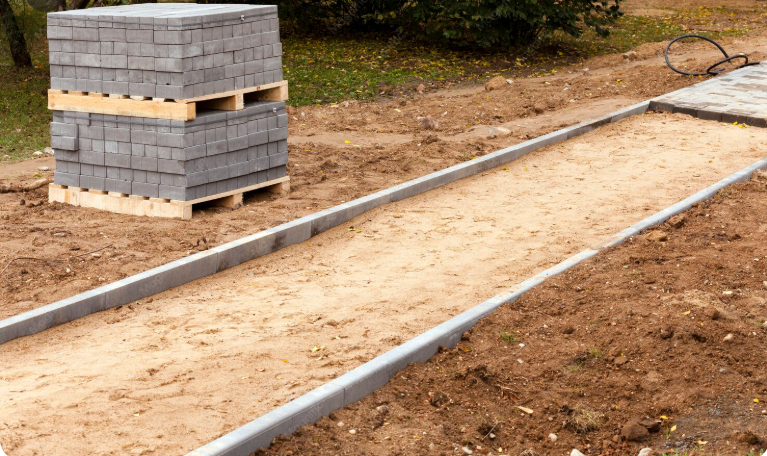
Reducing Soil Compaction During Heavy Equipment Operations
Heavy equipment can place significant pressure on the ground, especially when trucks, cranes, excavators, and material carriers move repeatedly across the same routes. On soft, wet, or recently disturbed soils, that pressure can compress the soil structure, reduce drainage capacity, and make restoration more difficult after the project ends. Soil compaction is often treated as a secondary issue, but it can affect safety, productivity, environmental compliance, and long-term site recovery. Composite mats help reduce these risks by spreading equipment loads and creating stable surfaces for construction activity.
Why soil compaction matters on construction sites
Soil contains air pockets and pore spaces that allow water to drain and roots to grow. When heavy equipment compresses these spaces, the ground becomes denser and less able to absorb water. This can lead to standing water, erosion, poor vegetation recovery, and unstable surface conditions.
Compacted soil can also create problems during later project phases. Areas that need to be graded, planted, paved, or restored may require additional remediation before they can perform as intended. Contractors often use composite mats for ground protection to limit direct equipment pressure and preserve the underlying soil structure.
Spreading heavy loads across a wider surface
The main advantage of composite mats is their ability to distribute weight over a broader area. Instead of allowing tires or tracks to concentrate pressure into the soil, mats create a reinforced surface that reduces the impact of each equipment pass. This is especially important on clay, silt, peat, or saturated soils that deform easily under load.
By installing heavy-duty composite access mats, crews can move equipment across vulnerable ground while reducing rutting and deep compaction. Stable mat routes also help operators maintain better control, which improves both safety and efficiency.
Protecting drainage and surface stability
Compaction changes how water moves through a site. When soil becomes dense and sealed, water is more likely to run across the surface rather than soak into the ground. This can increase erosion, create muddy work zones, and interfere with stormwater controls.
Composite mats help maintain more consistent surface conditions by limiting rut formation and soil displacement. Using temporary composite matting systems allows project teams to keep access routes stable while reducing the chance that heavy traffic will redirect drainage or create persistent wet spots.
Reducing restoration work after construction
Restoring compacted soil can be time-consuming and expensive. Depending on the site, contractors may need to decompact soil, regrade damaged areas, replace topsoil, reseed vegetation, or repair drainage features. These tasks can extend project closeout and increase costs that were not fully visible during active construction.
A planned mat layout helps contain equipment movement to designated corridors and work pads. This keeps disturbance more controlled and leaves more of the site closer to its original condition. Many contractors rely on reusable composite ground protection mats to reduce restoration demands across repeated projects.
Supporting sensitive and high-value areas
Soil compaction is a particular concern near wetlands, landscaped properties, agricultural fields, parks, and utility corridors. In these settings, long-term ground damage can create environmental concerns or disputes with property owners. Composite mats provide a temporary barrier that allows crews to access the work area while limiting direct contact with sensitive soils.
For projects where land restoration matters, construction mat solutions for site protection can help crews balance operational access with responsible ground management. This approach is especially useful when equipment must cross areas that were not designed to support heavy construction traffic.
Planning for lower impact operations
Reducing soil compaction starts with understanding where equipment will travel, which areas are most vulnerable, and how long access will be needed. Composite mats give project teams a practical way to stabilize routes, protect soil structure, and keep heavy equipment moving safely.
When soil protection is built into the access plan from the beginning, contractors can avoid many of the costs and delays that come from damaged ground. Composite mats support safer operations, cleaner restoration, and more predictable performance across demanding job site conditions.

Composite Mats as a Solution for Remote Job Site Access
Remote job sites often create access problems before work even begins. Crews may need to move equipment across undeveloped land, soft soils, wetlands, utility corridors, or areas with limited road infrastructure. When permanent roads are unavailable, every delivery, equipment movement, and inspection depends on whether the ground can support the work. Composite mats provide a practical way to create temporary access routes that protect the site while keeping remote projects moving.
Creating Reliable Access Where Roads Do Not Exist
Remote projects often require equipment to travel across ground that was never designed for heavy loads. Trucks, cranes, excavators, and material carriers can quickly sink into soft or uneven terrain. Once this happens, crews may lose time recovering equipment, repairing access paths, or rerouting around damaged areas.
Contractors often use composite access mats for remote job sites to create stable temporary roads and work platforms. These mats spread equipment loads across a wider surface area, reducing rutting and helping vehicles move across difficult ground with greater control.
Supporting Work Across Changing Soil Conditions
Remote sites rarely have uniform ground conditions. A single access route may cross sandy soils, clay, low spots, wooded areas, or wetland edges. Each condition responds differently under heavy traffic. Without proper ground protection, stable sections can quickly transition into problem areas as weather changes or equipment cycles increase.
Composite mats provide a consistent surface across these variable conditions. Using temporary composite mats for heavy equipment access allows crews to maintain predictable movement from staging areas to active work zones. This is especially useful on utility, pipeline, renewable energy, and infrastructure projects that cover long distances.
Reducing Equipment Recovery and Downtime
When equipment becomes stuck on a remote site, recovery is rarely simple. Additional machines may need to be brought in, work may stop in nearby areas, and the damaged ground may require immediate repair before operations can resume. These delays can be costly when crews are far from established roads or support facilities.
Composite mats reduce this risk by improving traction and limiting soil displacement. Stable mat surfaces help equipment maintain forward movement, even where the underlying ground is soft, wet, or recently disturbed. For projects with limited access points, durable composite ground protection mats can help prevent one failed route from disrupting the entire schedule.
Protecting Sensitive or Undeveloped Land
Many remote projects take place in areas where environmental impact must be carefully controlled. Unprotected equipment traffic can damage vegetation, compact soil, disturb drainage patterns, and increase sediment movement. These impacts may create restoration challenges or compliance concerns once construction is complete.
Composite mats act as a protective layer between equipment and the ground. They help define traffic routes, minimize unnecessary disturbance, and make it easier to remove temporary access once work is finished. This approach supports both productivity and responsible site management.
Improving Logistics for Multi-Phase Projects
Remote projects often happen in phases. Crews may need to shift access routes, relocate staging areas, or move mats as work advances. Composite mats are well suited for this type of work because they are reusable and can be repositioned as project needs change.
A planned mat layout helps crews coordinate deliveries, equipment movement, and material staging without constantly rebuilding temporary roads. Contractors often rely on construction mat solutions for remote access planning to keep logistics organized across large or hard-to-reach sites.
Planning Remote Access Before Problems Develop
Successful remote work starts with a clear access strategy. Waiting until equipment gets stuck or routes fail can lead to avoidable delays and site damage. Composite mats give project teams a dependable way to stabilize travel paths, protect the ground, and maintain operations in areas where permanent infrastructure is limited.
For remote projects involving heavy equipment, variable soils, or sensitive terrain, composite mats provide a flexible and reliable access solution. With the right mat plan in place, contractors can reach the work area safely, keep crews productive, and reduce the long-term impact of temporary construction activity.
Protecting Landscaped Areas During Construction With Composite Mats
Landscaped areas are often more fragile than they appear. Turf, sidewalks, planting beds, irrigation systems, and finished surfaces can be damaged quickly when heavy equipment moves through a site. Even short-term access for utility work, building repairs, or equipment staging can leave behind ruts, compacted soil, broken pavement, and costly restoration needs. When crews must work near finished properties, composite mats provide a practical way to protect the landscape while maintaining reliable access.
Why Finished Sites Need Ground Protection
Construction work does not always happen on open, undeveloped ground. Many projects take place around campuses, parks, commercial properties, residential communities, and municipal facilities where surfaces are already established. These areas may include maintained lawns, ornamental landscaping, pedestrian walkways, or underground irrigation lines.
Without protection, equipment traffic can crush root systems, compact soil, and create uneven ground that is difficult to restore. Contractors often use composite mats for landscape protection to create a temporary barrier between heavy machinery and sensitive surfaces. This helps keep the work area functional while reducing the risk of permanent damage.
Maintaining Access Without Creating Ruts
Soft turf and planted areas are especially vulnerable after rain or irrigation. Trucks, lifts, and excavators can sink quickly, forming deep tire marks that collect water and spread damage across the property. Once rutting begins, crews may have to stop work to repair access routes or reposition equipment.
Composite mats distribute equipment loads across a wider surface area, reducing direct pressure on the ground below. By installing temporary access mats for heavy equipment, project teams can maintain stable routes across lawns, parks, and landscaped areas without relying on improvised paths that may fail under load.
Protecting Irrigation, Utilities, and Hardscapes
Landscaped sites often contain hidden infrastructure. Irrigation lines, shallow utilities, drainage features, and landscape lighting can be damaged by repeated equipment traffic. Finished hardscapes such as sidewalks, driveways, and decorative paving may also crack or settle when exposed to concentrated loads.
Composite mats help spread weight and reduce the chance of localized damage. Using durable site protection panels gives crews a more predictable travel surface while protecting the features beneath and around the work zone. This is especially important when access must cross areas that were not designed for construction equipment.
Supporting Cleaner and Safer Work Areas
Damage to landscaped surfaces can create safety hazards. Uneven turf, muddy access paths, and broken walking areas increase the risk of slips, trips, and equipment instability. Composite mats provide a consistent surface with improved traction, helping crews move materials and equipment more safely.
Clean access routes also help limit mud tracking onto sidewalks, parking lots, and public roads. This improves site appearance, reduces cleanup demands, and helps property owners maintain normal operations while work is underway.
Reducing Restoration Costs After the Project
Restoration can become one of the most frustrating costs of construction on finished properties. Regrading, reseeding, replacing damaged plantings, and repairing hardscapes can add time and expense after the main work is complete. Preventing damage from the beginning is usually more efficient than repairing it later.
Composite mats are reusable and removable, allowing contractors to protect the site during construction and leave surfaces closer to their original condition after demobilization. A planned mat layout helps crews control where traffic occurs and limits unnecessary disturbance across the property.
Planning for Property-Sensitive Work
Protecting landscaped areas requires more than careful driving. It takes a clear access plan, proper ground protection, and an understanding of how equipment loads affect finished surfaces. Composite mats allow contractors to complete necessary work while respecting the surrounding property.For projects near parks, campuses, commercial landscapes, or residential developments, working with specialists in construction mat solutions for site protection can help ensure the right mat layout is selected before equipment arrives. With proper planning, crews can maintain access, reduce restoration work, and protect the value of finished landscapes.
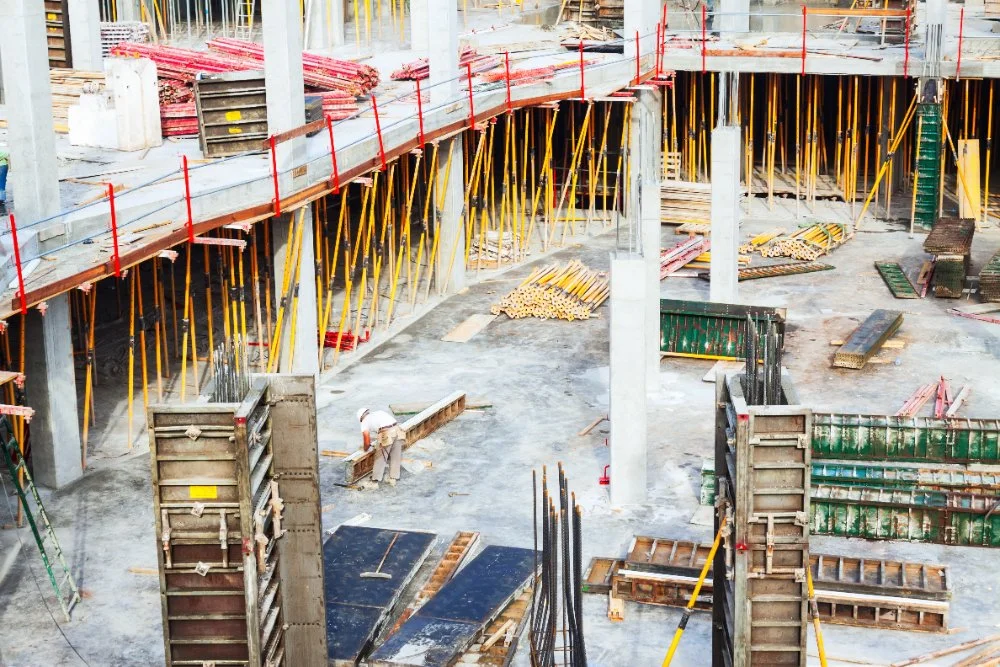
Preventing Site Incidents Caused by Unstable Ground Conditions
Unstable ground is one of the most common and preventable causes of incidents on construction sites. Soft soils, uneven surfaces, and saturated conditions can quickly lead to equipment instability, slips, and unexpected delays. These risks increase when ground conditions change due to weather or repeated traffic. Without proper planning, what starts as a minor surface issue can escalate into safety concerns, damaged equipment, and lost productivity. Stabilizing the work surface is a critical step in reducing these risks, and composite mat systems provide a reliable way to maintain safe conditions.
How Unstable Ground Leads to Incidents
Construction sites often experience varying soil conditions across different work areas. Recently disturbed ground, wet zones, or areas with poor drainage are particularly vulnerable. As equipment moves across these surfaces, it can create ruts, depressions, and uneven grades that make operations unpredictable.
Common issues caused by unstable ground include:
Equipment becoming stuck or tilting unexpectedly
Slips and trips due to uneven or muddy surfaces
Reduced traction for vehicles and heavy machinery
Difficulty maintaining safe crane or lifting setups
These challenges can disrupt workflow and increase the likelihood of both minor and serious incidents. Addressing ground conditions early helps prevent these risks from developing.
Creating Predictable Working Surfaces
A consistent, stable surface allows operators and crews to work with greater confidence. Composite mats distribute loads across a wider area, reducing the pressure placed on weak soils and limiting surface deformation. This creates a predictable platform where equipment can move safely and efficiently.
Contractors often use composite ground protection mats for job site stability to establish defined work zones and travel routes. Stabilized surfaces reduce the variability that leads to unexpected movement and improve overall control during operations.
Improving Equipment Stability and Control
Heavy machinery relies on stable ground to function properly. When soil shifts under load, equipment performance is affected, increasing the risk of tipping or mechanical strain. This is especially critical for cranes, lifts, and vehicles operating on slopes or near sensitive areas.
Composite mats provide a firm base that supports consistent load distribution and traction. Many project teams rely on temporary access mats for heavy equipment safety to maintain control and reduce stress on machinery. Stable surfaces allow operators to focus on precision tasks rather than compensating for unstable conditions.
Reducing Hazards for Workers on Site
Ground conditions impact more than just equipment. Workers navigating muddy or uneven terrain face increased risks of slips, trips, and falls. These hazards are common in high-traffic areas such as staging zones, access routes, and work platforms.
Textured mat surfaces provide improved footing and reduce the likelihood of sudden slips. Using durable site access panels for crew safety helps create safer walking conditions while maintaining clear pathways throughout the site. Stable routes also support better coordination between teams by reducing congestion and confusion.
Supporting Safer Traffic Flow and Emergency Access
Unstable ground can disrupt traffic patterns, forcing vehicles to take unplanned routes or avoid certain areas altogether. This unpredictability increases the risk of collisions and delays. In emergency situations, poor access conditions can also slow response times.
Guidance on construction access planning emphasizes that predictable routes and stable surfaces are essential for safe site operations. By installing engineered matting systems for construction traffic, project teams can maintain organized movement and ensure that critical access points remain usable at all times.
Preventing Escalating Site Damage
Unstable ground conditions often worsen over time if left unaddressed. Initial ruts can deepen, water can accumulate, and surface degradation can spread across the site. This creates a cycle of increasing damage that becomes more difficult and expensive to correct.
Composite mats help break this cycle by protecting the ground from further disturbance. Many contractors incorporate reusable composite matting solutions for site protection to maintain surface integrity and prevent minor issues from turning into major problems.
Planning for Safer Site Conditions
Preventing incidents caused by unstable ground starts with recognizing potential risks and implementing solutions before they impact operations. Composite mat systems provide a practical way to stabilize surfaces, improve safety, and maintain productivity across a wide range of conditions.
For projects with variable terrain or challenging weather, working with specialists in construction mat solutions for ground stabilization helps ensure that access routes and work areas are properly supported from the beginning. With the right planning, contractors can reduce incident risks and keep projects moving safely and efficiently.
Managing Stormwater Runoff by Stabilizing Access Routes With Composite Mats
Stormwater runoff is one of the most persistent challenges on active construction sites. Rainfall can quickly mobilize loose soil, overwhelm erosion controls, and carry sediment into nearby drainage systems or waterways. Access routes are often a primary source of this problem, especially when repeated equipment traffic breaks down the ground surface. Stabilizing these routes is a key step in controlling runoff and maintaining compliance with environmental requirements. Composite mat systems provide a practical solution for managing stormwater while keeping projects moving.
How Unstable Access Routes Contribute to Runoff
Unprotected haul roads and work paths are highly susceptible to erosion. As equipment travels across soft or disturbed ground, it creates ruts and uneven surfaces that channel water flow. These low points collect runoff, increasing velocity and allowing sediment to travel beyond the work area. Over time, this process can compromise erosion control measures and lead to regulatory issues.
Composite mats help address this challenge by creating a stable, continuous surface that resists deformation. Contractors frequently install composite ground protection mats for site access to reduce rutting and maintain predictable traffic patterns, even during wet conditions.
Reducing Sediment Movement Across the Site
Sediment control is a critical component of stormwater management. When soil is displaced by equipment or flowing water, it can clog drainage systems, impact nearby properties, and degrade water quality. Stabilized access routes limit the amount of loose material available for transport, helping erosion controls perform more effectively.
Guidance on construction access planning emphasizes that minimizing disturbed ground and maintaining defined routes are essential for reducing sediment tracking and runoff impacts. Using temporary access mats for heavy equipment allows crews to confine movement to reinforced pathways, reducing the spread of sediment across the site.
Supporting Drainage and Water Flow Management
Maintaining natural or planned drainage patterns is essential during construction. Ruts and compacted areas can redirect water in unintended ways, leading to pooling, flooding, or erosion in sensitive zones. Composite mats provide a consistent surface that helps preserve intended water flow paths and prevents the formation of deep channels.
By installing durable site stabilization panels, project teams can reduce surface irregularities that disrupt drainage. This approach helps ensure that stormwater is managed according to design, rather than reacting to damage caused by uncontrolled traffic.
Protecting Adjacent Areas and Public Infrastructure
Runoff issues often extend beyond the construction site. Mud tracked onto public roads can create hazardous driving conditions, while sediment carried off-site can affect neighboring properties and stormwater systems. Stabilized access routes reduce these risks by keeping soil in place and limiting contamination outside the work zone.
Composite mats act as a barrier between equipment and the ground, helping maintain cleaner site conditions. Many contractors rely on engineered matting systems for construction traffic to protect both the project area and surrounding infrastructure during periods of heavy rain.
Maintaining Productivity During Wet Conditions
Stormwater challenges do not only affect compliance; they also impact productivity. Unstable access routes can delay deliveries, slow equipment movement, and require frequent repairs. Composite mats provide reliable all-weather surfaces that allow work to continue even when underlying soils are saturated.
Because these systems are reusable and easy to reposition, they can adapt to changing site conditions throughout the project. Teams often use reusable composite matting solutions to maintain consistent access and reduce downtime associated with storm-related disruptions.
Planning for Effective Stormwater Control
Managing stormwater runoff begins with understanding how traffic patterns and ground conditions interact during rainfall. Stabilizing access routes with composite mats helps control erosion, protect water quality, and support regulatory compliance. By incorporating these systems into site planning, contractors can reduce risk while maintaining efficient operations.
For projects where stormwater management is a critical concern, working with specialists in construction mat solutions for site access and drainage control ensures that mat placement and design align with both operational needs and environmental requirements. With the right strategy in place, even heavy rainfall can be managed without compromising safety or progress.
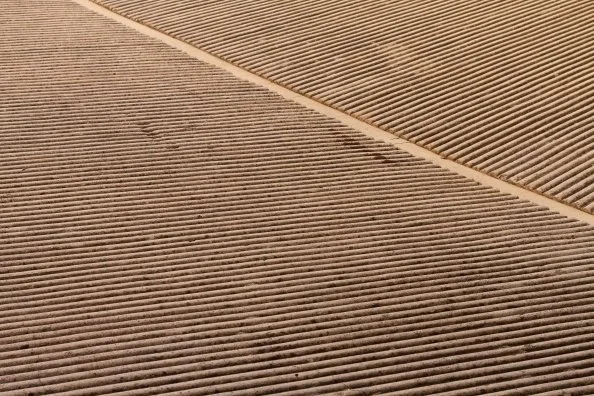
Maintaining Access Across Agricultural Land With Composite Mats
Construction projects that cross agricultural land present unique challenges. Unlike compacted industrial sites, farmland soils are often loose, moisture-sensitive, and structured to support crops rather than heavy equipment. During spring and early growing seasons, these soils can become especially vulnerable to compaction and rutting. Without proper protection, construction traffic can damage productive land, disrupt drainage systems, and create long-term impacts for property owners. Composite mat systems provide a practical way to maintain reliable access while preserving the integrity of agricultural ground.
Understanding the Sensitivity of Farm Soils
Agricultural soils are carefully managed to promote root growth, water infiltration, and nutrient balance. Heavy machinery can quickly destroy this structure by compressing pore spaces and displacing topsoil. Once compacted, soil productivity may decline for years, affecting crop yields and increasing remediation requirements.
Composite mats distribute equipment loads over a broader surface area, reducing pressure on the soil below. Contractors frequently use composite ground protection mats for farmland access to create temporary corridors that allow construction to proceed without permanently damaging the land.
Preventing Deep Rutting and Drainage Disruption
Rutting is particularly harmful in agricultural settings because it alters natural drainage patterns. Deep channels can trap water, delay planting schedules, and lead to erosion during storms. In irrigated areas, ruts may interfere with carefully designed water distribution systems or subsurface drainage tiles.
Stabilized surfaces help preserve the original contours of the field. By installing temporary access mats for heavy equipment, project teams can maintain mobility while minimizing disturbance to the soil profile. This approach supports faster recovery once construction activities conclude.
Protecting Crops, Pasture, and Surface Features
Agricultural land may contain standing crops, pasture grasses, fencing, or irrigation infrastructure that must remain intact. Uncontrolled equipment movement can damage these features and create conflicts with landowners. Defined access routes established with mats help contain activity to designated areas and reduce unintended impacts.
Composite panels act as a protective barrier, shielding vegetation and surface improvements from direct contact with tires or tracks. Many contractors rely on durable site protection panels to maintain clear boundaries and demonstrate responsible land stewardship during temporary projects.
Supporting Work in Wet or Unpredictable Conditions
Farm soils often retain moisture, especially in low-lying fields or after irrigation. Equipment operating on wet ground can become stuck, leading to recovery operations that cause additional damage. Composite mats provide stable traction and reduce the likelihood of vehicles sinking into saturated areas.
Guidance on construction mat use emphasizes that stable access surfaces help prevent equipment bog-downs and maintain predictable movement across sensitive terrain.
Using engineered matting systems for soft ground conditions allows crews to continue working even when weather or soil moisture would otherwise halt operations.
Simplifying Restoration After Project Completion
One of the primary concerns when working on agricultural land is restoring the property to its pre-construction condition. Deep compaction and widespread disturbance can require extensive tilling, soil replacement, or drainage repairs. By limiting ground impact during construction, composite mats make restoration far more manageable.
Reusable mat systems can be removed systematically as work progresses, leaving the underlying soil largely intact. Contractors often choose reusable composite site mats to reduce long-term impacts and maintain positive relationships with landowners and regulatory agencies.
Maintaining Productivity While Respecting the Land
Balancing operational efficiency with environmental responsibility is essential on agricultural projects. Stable access routes allow crews to move equipment, deliver materials, and complete work on schedule without sacrificing soil health. This balance is especially important for pipeline, utility, and infrastructure projects that traverse large rural areas.
Planning ahead with professional construction mat solutions for rural sites helps ensure that equipment loads, traffic patterns, and site conditions are properly managed. With the right approach, construction teams can perform complex work while preserving the agricultural value of the land.
A Responsible Approach to Temporary Access
Maintaining access across farmland requires more than simply reaching the work area. It involves protecting soil structure, supporting ongoing agricultural use, and minimizing long-term disruption. Composite mat systems offer a reliable way to achieve these goals while keeping projects productive.
For projects that intersect productive land, early coordination and proper ground protection strategies can prevent costly damage and delays. By incorporating composite mats into site planning, contractors can operate efficiently while demonstrating respect for the land and the communities that depend on it.

Protecting Newly Disturbed Soil From Rutting During Spring Construction
Spring construction often begins with grading, excavation, and utility installation that leave soil exposed and highly vulnerable. Once the protective surface layer is removed, the underlying ground can quickly degrade under equipment traffic, especially when seasonal moisture is present. Newly disturbed soil lacks the compaction and structure needed to support heavy loads, making rutting one of the most common early-season challenges. Without proactive protection, these ruts can disrupt drainage, delay work, and increase restoration costs long after construction is complete.
Why Disturbed Soil Fails So Easily
Freshly graded surfaces typically contain loosened particles and trapped moisture. When heavy machinery travels across these areas, the soil compresses unevenly and displaces sideways, forming deep channels that collect water and worsen over time. Clay and silty soils are particularly susceptible because they retain moisture and lose strength rapidly when saturated.
Composite mats spread equipment loads over a larger footprint, reducing pressure on the weakened surface and limiting deformation. Contractors frequently deploy composite ground protection mats for soft soils to create temporary work platforms that preserve the integrity of newly prepared areas.
Maintaining Access Without Compromising Site Preparation
Access routes across disturbed ground are often unavoidable. Crews must transport materials, position equipment, and move between work zones. Repeated traffic without protection can destroy carefully prepared grades, requiring rework before construction can proceed.
By installing temporary access mats for construction traffic, project teams can maintain mobility while protecting the underlying surface. Stabilized routes allow deliveries and operations to continue without undoing prior site preparation efforts, saving both time and labor.
Preventing Drainage Problems and Water Accumulation
Rutting does more than damage the ground surface. Deep channels alter natural drainage patterns, trapping water and creating persistent mud zones that can spread across the site. Standing water further weakens the soil, making recovery increasingly difficult. In some cases, these conditions can interfere with erosion control measures or stormwater management systems.
Composite mats help maintain a more uniform surface, reducing the formation of water-collecting depressions. Guidance on construction access planning emphasizes that stable platforms help limit soil displacement and keep erosion controls functioning properly.
Many planners rely on durable site stabilization panels to preserve drainage patterns during active construction.
Protecting Vegetation and Subsurface Features
Disturbed soil areas often contain buried utilities, newly installed infrastructure, or zones designated for future landscaping. Excessive rutting can damage these elements or require additional excavation to correct grade changes. Vegetation intended for erosion control may also be destroyed by uncontrolled traffic.
Using reusable composite site mats provides a protective barrier between heavy equipment and sensitive ground features. This approach reduces the likelihood of costly repairs and supports compliance with restoration requirements at project completion.
Supporting Safety and Equipment Performance
Uneven, rutted surfaces create hazards for both workers and machinery. Vehicles may tilt or become stuck, increasing the risk of accidents and recovery operations. Walking on deeply rutted ground can also lead to slips, trips, and falls. Stable mat surfaces improve traction and provide predictable footing, allowing crews to operate more safely.
Contractors planning for variable spring conditions often incorporate engineered matting systems for job sites to maintain consistent safety standards throughout the project lifecycle. Stable platforms help ensure that equipment operates as intended and personnel can move confidently across the site.
Preserving Work Quality for Future Phases
Spring construction frequently lays the foundation for later stages of development. Damage to prepared surfaces can delay subsequent work such as paving, structural installation, or landscaping. Preventing rutting early helps maintain the quality of completed tasks and reduces the need for corrective grading.
Composite mat systems offer a practical way to protect investments already made in site preparation. By shielding vulnerable soil from heavy loads, contractors can keep projects progressing smoothly without repeated setbacks.
Planning for Long-Term Success
Protecting newly disturbed soil is not just about avoiding immediate problems. It is about preserving the integrity of the entire project site. Composite mats allow teams to maintain access, protect infrastructure, and control environmental impacts while work is underway. With thoughtful planning, contractors can prevent rutting from becoming a costly and time-consuming obstacle. For projects where early-stage soil conditions are fragile, partnering with specialists in construction mat solutions for ground protection ensures that access strategies align with the realities of spring construction. Proactive measures today can prevent significant delays and expenses later in the project timeline.

Spring Thaw Site Planning: Why Composite Mats Matter Early in the Season
As winter transitions into spring, construction sites often face one of the most unpredictable ground conditions of the year. Freeze-thaw cycles weaken soil structure, melting snow saturates the surface, and previously stable routes can deteriorate almost overnight. Heavy equipment traffic during this period can quickly turn access roads and staging areas into deep mud, delaying mobilization and increasing safety risks. Proactive planning for spring thaw conditions is essential, and composite mat systems play a critical role in maintaining reliable site access early in the season.
Understanding How Thaw Conditions Affect Ground Stability
Frozen ground provides temporary strength during winter, but that stability disappears as temperatures rise. Water released from thawing soil reduces bearing capacity, making it difficult for the surface to support heavy loads. Clay-rich soils are particularly vulnerable because they retain moisture and deform easily under pressure. Even areas that appeared solid during colder months can become impassable within days.
Composite mats distribute equipment loads across a wider area, helping prevent excessive settlement and rutting during this transitional period. Contractors frequently deploy composite ground protection mats for spring conditions to create temporary roads and work platforms that remain functional despite softening soils.
Maintaining Access for Early Mobilization
Spring projects often operate on tight schedules, especially for infrastructure work, utility installation, and site preparation. Delays caused by poor ground conditions can cascade through the entire project timeline. Establishing stable access routes before thaw conditions worsen allows crews to begin work sooner and maintain consistent progress.
By installing temporary access mats for heavy equipment, project teams can move trucks, cranes, and support vehicles without waiting for the ground to dry naturally. Stable routes also improve logistics by enabling reliable delivery of materials and safe movement between work zones.
Reducing Damage to Underlying Soil and Vegetation
Unprotected traffic during thaw season can cause long-term site damage. Deep ruts disrupt drainage patterns, compact soils beyond recovery, and destroy vegetation that may be required for erosion control. These impacts often lead to costly remediation efforts once construction concludes.
Composite mats help preserve surface conditions by shielding the ground from direct equipment pressure. Stabilized access surfaces reduce soil displacement and maintain more natural contours, making restoration easier after demobilization. Many planners use durable site protection panels to balance operational needs with environmental considerations during sensitive seasonal transitions.
Supporting Safety in Unpredictable Conditions
Soft, uneven terrain increases the risk of incidents involving both equipment and personnel. Vehicles may lose traction, cranes can experience uneven support, and workers face slip and trip hazards on muddy surfaces. Stable mat platforms provide consistent footing and predictable traction, improving safety across the site.
Guidance on construction access planning emphasizes that controlled traffic routes and stable working surfaces help reduce equipment instability and accident risks.
Using engineered composite mat systems ensures that critical operations can proceed safely even as ground conditions fluctuate.
Preparing for Ongoing Weather Variability
Spring weather rarely stabilizes immediately. Rainfall, late snowstorms, and temperature swings can repeatedly weaken the ground. Composite mats are designed for repeated deployment and relocation, allowing crews to adapt as project needs evolve. Sections can be repositioned to support new work areas while maintaining protection on established routes.
Contractors planning multi-phase projects often depend on reusable composite matting solutions to maintain productivity throughout the season. This flexibility reduces the need for constant repairs to temporary roads and minimizes downtime caused by deteriorating conditions.
Planning Ahead for a Strong Start to the Season
Successful spring construction begins with anticipating how thaw conditions will affect site stability. Composite mat systems provide a practical way to maintain access, protect the environment, and safeguard crews during one of the most challenging times of the year. By addressing ground conditions early, project teams can avoid delays and maintain momentum from the outset.
For projects facing unpredictable soil behavior and tight timelines, working with specialists in construction mat solutions for seasonal ground conditions helps ensure that access planning aligns with the realities of spring thaw. With the right preparation, contractors can move forward confidently even when the ground beneath them is changing.

Supporting Crane Operations on Soft Ground Using Composite Pads
Crane operations demand precise stability. Whether lifting structural components, heavy equipment, or prefabricated assemblies, even minor ground movement can compromise safety and accuracy. Soft or saturated soils pose a particular challenge because they deform under concentrated loads, especially beneath outriggers and crawler tracks. Without proper ground support, settlement can occur suddenly, increasing the risk of equipment damage, load instability, and project delays. Composite mat pads provide a reliable solution for maintaining stable lifting conditions on difficult terrain.
Distributing Concentrated Loads Safely
Unlike general equipment traffic, cranes impose highly concentrated forces on relatively small contact areas. Outriggers transfer enormous weight directly into the ground, which can cause localized failure if soil strength is insufficient. Composite mats spread these loads across a wider footprint, reducing pressure on the underlying subgrade and helping prevent sinking or tilting.
Engineered polymer panels are designed to maintain structural integrity under repeated compressive cycles while resisting moisture and environmental degradation. Contractors frequently deploy composite crane support mats to create stable working platforms that remain dependable even when soil conditions fluctuate due to rain or thaw.
Maintaining Level Conditions for Accurate Lifts
Precision is critical during lifting operations. Even slight unevenness can affect load alignment, swing control, and placement accuracy. Soft ground often settles unevenly as loads shift, making it difficult for operators to maintain a level platform. Composite pads help preserve consistent elevation by minimizing differential settlement beneath each support point.
Stable surfaces allow operators to focus on lift execution rather than compensating for ground movement. Many project planners incorporate engineered lifting pads for heavy equipment when preparing crane setups on uncertain terrain to ensure predictable performance throughout the operation.
Reducing Setup Time and Delays
Preparing crane pads using traditional methods such as gravel buildup or timber layering can be time-consuming and may not provide uniform support. Wet conditions can further complicate preparation efforts, delaying mobilization and increasing labor requirements. Composite mats offer a faster alternative because they can be installed quickly and repositioned as needed without extensive site modification.
By creating immediate load-bearing surfaces, temporary ground protection mats for crane work help crews begin operations sooner and adapt to changing site conditions without major rework. This flexibility is especially valuable on projects with tight schedules or multiple lift locations.
Enhancing Safety for Personnel and Equipment
Stable ground conditions are essential not only for the crane itself but also for the personnel working nearby. Rigging teams, signalers, and supervisors must operate within the crane’s working radius, often on the same surface supporting the equipment. Uneven or shifting ground increases the risk of slips, trips, and unexpected movement.
Composite mats provide textured, consistent footing that improves safety for crews while also supporting the machine. Guidance on construction mat usage emphasizes that stable platforms help prevent equipment instability and reduce incident risks associated with soft ground conditions.
Using durable site stabilization mats helps maintain a controlled environment for both operators and support personnel.
Protecting the Site and Simplifying Restoration
Crane operations can cause significant ground disturbance, particularly when heavy loads are repeatedly applied in one location. Deep rutting or soil displacement may require extensive remediation after the project concludes. Composite pads limit this damage by shielding the surface and distributing forces more evenly, preserving underlying soils and vegetation.
Because these systems are reusable, contractors can relocate them as work progresses, maintaining protection across multiple lift points without generating additional waste or site disruption. Many teams rely on reusable composite access mats to balance operational needs with environmental and restoration requirements.
Planning for Reliable Lifting Conditions
Successful crane operations on soft ground depend on careful preparation and the right support systems. Composite mat pads allow project teams to establish stable, level platforms that enhance safety, reduce delays, and protect the site. By addressing ground conditions proactively, contractors can perform complex lifts with confidence even in challenging environments.
For projects involving uncertain soils or changing weather, working with specialists in construction mat systems for heavy lifting support helps ensure that pad configuration, load capacity, and layout are tailored to the specific demands of the operation. With proper planning, soft ground no longer has to limit lifting capability or threaten project timelines.

How Composite Mats Improve Safety on Muddy Construction Sites
Muddy conditions are one of the most common safety challenges on active job sites. After heavy rain or during extended wet periods, unprotected ground can become slippery, uneven, and unpredictable. Equipment traction declines, walking surfaces deteriorate, and the risk of incidents increases across the entire work area. Planning for stable ground conditions is essential not only for productivity but also for protecting crews, equipment, and surrounding property. Composite mat systems provide a practical solution for maintaining safety when soil conditions deteriorate.
Creating Stable Surfaces for Equipment Movement
Heavy machinery operating on mud faces reduced traction and increased rolling resistance. Trucks may struggle to maintain forward motion, while tracked equipment can dig into softened soils and create deep ruts. These conditions make precise maneuvering difficult and can lead to sudden shifts or loss of control. Composite mats distribute loads across a wider area, helping equipment travel on a firm, predictable surface instead of unstable soil.
Many contractors rely on heavy-duty composite ground protection mats to establish temporary haul routes that remain usable even in saturated conditions. By limiting rut formation and soil displacement, these systems help operators maintain control and reduce strain on mechanical components.
Reducing Slip and Trip Hazards for Crews
Worker safety is equally affected by muddy terrain. Uneven ground, standing water, and loose material create serious slip and trip hazards, especially in high-traffic areas such as staging zones and equipment approaches. A textured mat surface provides improved footing and a consistent walking platform for crews performing inspections, rigging operations, or material handling tasks.
Stable surfaces also support emergency response. When access routes remain intact, medical or rescue personnel can reach affected areas more quickly without navigating hazardous terrain. Using temporary site access mats for crews and equipment helps ensure that both routine and emergency movement across the site remains safe.
Improving Stability for Lifting Operations
Crane and lifting activities require particularly stable ground conditions. Outriggers exert concentrated loads that can cause settlement or tilting when placed on softened soil. Even minor movement can disrupt a lift and create dangerous conditions. Composite mat pads help distribute these forces, reducing the risk of uneven support and improving overall stability.
Project planners often incorporate engineered mat systems for crane support when preparing sites with uncertain ground strength. These systems create a level working platform that allows operators to perform lifts with greater confidence and control.
Limiting Secondary Risks and Site Damage
Muddy sites can generate additional hazards beyond immediate safety concerns. Vehicles may track mud onto paved roads, increasing the risk of accidents outside the project boundary. Equipment recovery efforts can damage utilities, landscaping, or environmental controls. Stabilized mat surfaces help contain traffic to designated routes and minimize disturbance to surrounding areas.
Guidance on construction access planning emphasizes that predictable routes reduce incident frequency and protect both workers and the environment.
By preventing uncontrolled movement across the site, mats support safer operations overall.
Maintaining Safe Operations Through Changing Conditions
Weather conditions can shift rapidly during construction, turning previously stable ground into a hazard overnight. Composite mats provide a reusable solution that can be installed quickly and relocated as project needs evolve. Because they resist moisture and maintain structural integrity, they continue to perform even after repeated exposure to rain and heavy use.
Contractors planning for long projects or unpredictable weather often depend on reliable construction matting solutions to maintain consistent safety standards throughout the job lifecycle. Instead of reacting to deteriorating conditions, teams can operate with confidence knowing that critical work areas remain stable.
Planning for Safety From the Start
Improving safety on muddy construction sites begins with anticipating ground challenges and selecting appropriate protection measures before problems occur. Composite mat systems allow project teams to control traffic patterns, protect workers, and maintain equipment stability even in severe conditions. By investing in reliable ground support, contractors reduce incident risks while keeping operations on schedule.
For projects where weather and soil conditions are unpredictable, incorporating professional construction mat solutions for site access into the planning process can make the difference between a manageable challenge and a costly shutdown.
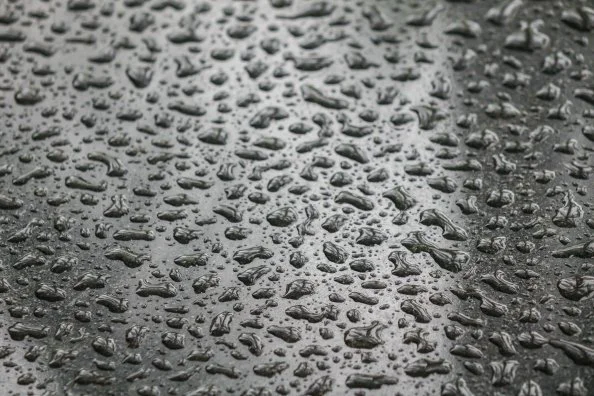
Reducing Downtime After Heavy Rain With Composite Ground Protection
Heavy rainfall can quickly transform an active construction site into a difficult working environment. Access roads soften, haul routes rut, and equipment mobility declines. When trucks or cranes cannot move safely, schedules slip and recovery work diverts crews from critical tasks. Planning for wet conditions before storms arrive is essential for keeping projects productive. One of the most effective tools for maintaining operations during and after heavy rain is a well-designed composite mat system.
Stabilizing Access Routes on Saturated Ground
Rain weakens the bearing capacity of many soils, especially clay, silt, and previously disturbed surfaces. Without protection, repeated equipment traffic cuts deep ruts that trap water and worsen the problem. Composite mats distribute loads across a larger area, helping prevent equipment from sinking and reducing soil compaction. A continuous mat surface can keep haul routes passable even when surrounding ground becomes saturated.
Contractors frequently deploy composite ground protection mats to create temporary roads, work platforms, and staging areas that remain functional despite poor weather. By limiting deformation of the subgrade, these systems allow crews to continue moving materials and positioning equipment instead of waiting for conditions to improve.
Reducing Incident Risks and Equipment Recovery
Wet conditions increase the likelihood of incidents such as stuck vehicles, unstable crane setups, and slips on uneven terrain. Stable working surfaces reduce these hazards by providing predictable traction and minimizing unexpected soft spots. Guidance on construction access planning emphasizes that controlling ground conditions helps prevent both safety issues and operational delays.
Composite panels also help maintain emergency access paths and traffic flow through the site. When vehicles can travel on defined routes rather than improvising around muddy areas, coordination improves and the risk of secondary damage decreases. Many project teams rely on temporary access mats for heavy equipment to ensure that critical operations continue without interruption during extended wet periods.
Protecting the Site and Surrounding Areas
Rain-softened ground is highly vulnerable to environmental damage. Unprotected traffic can push sediment into drainage systems, nearby waterways, or adjacent properties. Stabilized surfaces limit soil disturbance and help erosion controls perform as intended. This approach aligns with best practices that emphasize minimizing ground disturbance and maintaining predictable routes for construction traffic.
Composite mats also reduce mud tracking onto public roads and protect landscaped or sensitive areas from deep tire cuts. For projects near developed properties or regulated environments, these benefits can prevent costly remediation and community complaints. Using durable site access panels allows crews to isolate heavy traffic to designated corridors while preserving the rest of the site.
Supporting Productivity After the Storm
The true cost of heavy rain is often measured in lost time rather than immediate damage. Waiting for soil to dry, repairing access routes, or extracting stuck equipment can consume days or weeks. Stable mat surfaces allow crews to resume work sooner because the operating platform remains intact even when underlying soils are weak.
Composite systems are designed for repeated deployment, making them practical for projects that experience multiple storm events. Their resistance to moisture and wear helps maintain performance across long construction schedules. Contractors seeking reliable all-weather access frequently turn to engineered matting solutions for construction sites to keep projects moving despite unpredictable conditions.
Planning Ahead for Wet Weather Success
Reducing downtime after heavy rain starts with anticipating how ground conditions will change and selecting appropriate protection in advance. By incorporating composite mats into site planning, project managers can maintain mobility, protect the environment, and avoid costly delays. Instead of reacting to deteriorating conditions, teams gain a controlled, stable surface that supports safe and efficient operations throughout the project lifecycle.For complex projects or challenging terrain, working with an experienced provider of construction mat systems for site access can help ensure that mat type, layout, and load capacity match the demands of the job. With proper preparation, even severe weather becomes a manageable obstacle rather than a schedule-breaking event.
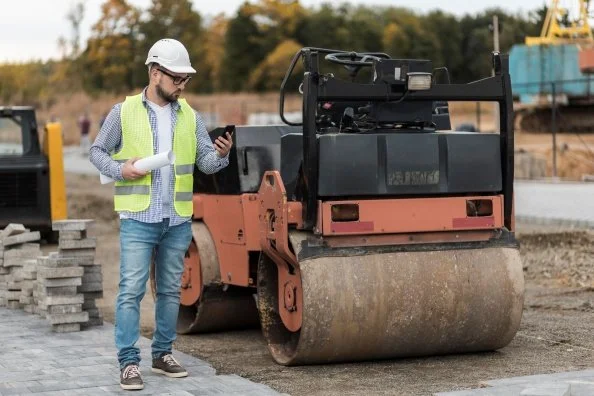
Composite Mats Safety and Training Tips for Field Crews Installing Access Roads
Installing temporary access roads is often a race against weather, schedule, and changing ground conditions. A consistent safety routine helps crews move faster with fewer incidents and fewer do-overs. This field-focused guide covers practical training points for installing composite mats, with emphasis on handling, alignment, traffic control, and daily checks.
Pre-Job Brief: Set the “Rules of the Road”
Before the first mat is unloaded, align on how the route will be used. Crews should know where traffic enters, where it exits, and which segments are one-way. Identify turnarounds early, because turning and backing churn soft subgrade and can shift mats.
If your team uses a standardized install plan, document the route width, expected equipment weights, and where outriggers or heavy lifts will sit. A simple planning checklist helps crews avoid rebuilding the same transition twice.
Handling and Placement: Reduce Pinch and Crush Risk
Most mat incidents happen during placement, not after the road is built. Train to keep hands and feet clear of the mat footprint, avoid standing between moving equipment and a fixed object, and use clear spotter signals.
Core mat placement practices to train and repeat:
Stage mats on stable ground to reduce shifting during pickup
Use designated tag lines or guiding tools instead of hands
Keep a controlled drop zone and confirm “all clear” before set-down
Place mats from firm ground toward soft ground to avoid getting stuck
Maintain consistent overlap and alignment so edges do not become trip points
For general jobsite surface safety principles (slip and trip prevention), OSHA’s walking-working surfaces publication may provide useful information.
Connectors, Transitions, and “Edge Control”
Even when mats are strong, the weak point is often the seam. Train crews to treat connectors and transitions as “inspection items,” not afterthoughts. Misaligned seams can create wheel impact points, accelerate shifting, and increase trip hazards for foot traffic.
When training new installers, emphasize the three seam rules:
Keep seams tight and consistent to reduce wheel strike.
Verify connectors are seated and not bent or fouled with debris.
Avoid abrupt grade breaks by feathering transitions with placement strategy.
Traffic Control and Speed Discipline
Once the road is in use, speed is your enemy. High-speed travel increases seam impact and can “walk” mats out of alignment. Establish speed limits, restrict turning on soft segments, and separate heavy traffic from pedestrian paths. If mixed traffic is unavoidable, mark pedestrian routes and set dedicated crossing points.
Daily Inspections and Stop-Work Triggers
A short inspection at the start of each shift prevents small issues from becoming a failure mid-move. Train crews to look for misalignment, lifted corners, visible gaps, and subgrade pumping at seams.
Common stop-work triggers include:
A mat corner lifting under traffic
A connector is missing or visibly damaged
Soft subgrade pushing up through seams
A transition eroding into a wheel-impact “step.”
Key Takeaways
Train placement and seam control first, because most incidents happen during handling and alignment.
Set traffic rules early, including speed limits and turning restrictions, to reduce shifting and rework.
Use daily inspections and clear stop-work triggers to catch seam and subgrade failures early.
A safer mat road is usually a more productive mat road. When crews follow consistent handling signals, seam checks, and traffic discipline, composite mats stay aligned longer, repairs drop, and access roads remain dependable even as ground conditions change.
Disclaimer: This content is for informational purposes only and does not constitute professional advice.

Composite Mats Planning for Estimators and Project Managers at Bid Time
Bid accuracy often hinges on site access. When the ground is soft, sloped, or environmentally sensitive, access assumptions can drive production and cost. Building composite mats into the estimate early helps teams avoid rushed mobilizations and rework after equipment arrives.
The Bid-Time Inputs That Matter Most
Estimators and PMs usually need the same baseline details, gathered consistently. Capture traffic type, load class, and the path equipment must take from public access to the work zone. Note subgrade conditions, drainage, and whether the route crosses wetlands, turf, or stabilized shoulders.
A Simple Quantity Plan for Temporary Access
Quantity planning is easier when you break the route into segments and add a buffer for turns and staging. A practical approach is to map three zones, then size each one:
Transitions where trucks move from pavement to soil and tend to rut.
Corridors that see repeated passes to the primary work area.
Pads for laydown, fueling, and outriggers in the active zone.
If you need a quick reference for road-mat categories used across pipeline and T&D work, this guide is helpful.
What to Specify to Prevent Scope Drift
Access scope drifts when assumptions are not written down. Document the intended traffic pattern, expected duration, and whether mats must be relocated as the work front moves. Include notes on connectors, transitions, and where edge protection is required, especially at grade breaks and tight turns.
Logistics and Staging Notes That Protect the Budget
Bid-time planning is also about sequencing. Consider where mats can be dropped without blocking other trades, and how they will be retrieved if the access route changes. When access is needed for multiple crews, define priority lanes so traffic does not churn one soft corridor.
Safety and Environmental Notes at Bid Time
Temporary surfaces still need controls. Plan for trip edges, stable transitions, and clear routes for foot traffic. In sensitive areas, include contamination control and cleaning expectations, since some materials can transport soil and seeds between sites.
For wetlands and water considerations that can influence access planning and documentation, the U.S. Army Corps of Engineers‘ overview of nationwide permits is a helpful reference point.
Key Takeaways
Bid-time access planning reduces timeline risk and avoids last-minute mobilization costs.
A segmented takeoff approach helps estimate mats for routes, turns, and work pads.
Written assumptions on duration, traffic, and relocation needs reduce scope drift.
A bid-ready access plan is easiest to defend when it is tied to measurable inputs and a clear route map. When estimators and project managers align early on traffic, duration, and relocation needs, composite mats become a predictable line item instead of a reactive fix after the first rain event.
Disclaimer: This content is for informational purposes only and does not constitute professional advice.
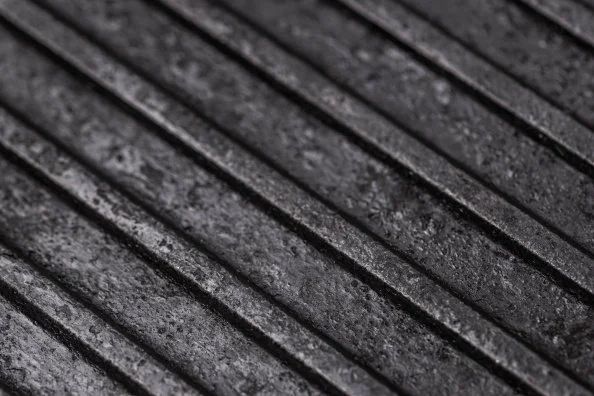
Composite Mats for Storm Response Crews After Major Weather Events
After major weather events, crews often need safe access before permanent repairs can begin. Flooded shoulders, saturated yards, and compromised rights-of-way can stop bucket trucks, fuel deliveries, and debris hauling. Using composite mats to create temporary lanes and work pads can restore mobility while helping protect the underlying ground.
Why Storm Ground Fails So Quickly
Heavy rain reduces soil bearing capacity, and repeated traffic can cut deep ruts in a single shift. Wind events add debris that forces vehicles onto softer margins, where shoulders collapse or turf tears. The result is slow progress, higher stuck-equipment risk, and more property damage around access points. Consult with your mat provider early to avoid issues later in the project.
Where Composite Mats Help First
Response teams typically prioritize access that unlocks the rest of the work. Early-stage applications often include:
Temporary access roads to reach downed lines, lift stations, and remote sites
Staging pads for generators, pumps, and material laydown
Crossings and turnarounds where repeated backing and pivoting creates ruts
Surface protection when crews must cross lawns or soft shoulders
Composite access mats are the most popular form of site protection, with delivery and setup available.
Deployment Priorities for Faster Restoration
Speed matters, but placement matters more. A practical order of operations is to start where the most weight and repetition will occur, then extend outward:
Entry and exit points where trucks transition from pavement to soft ground
High-traffic corridors between the road and the primary work zone
Work pads under outriggers, lifts, and material handling equipment
Drainage-sensitive areas where rutting would redirect water and worsen conditions
Composite mats are often selected when crews need consistent performance with simpler handling. Benefit highlights and common use advantages are available here.
Safety Notes for Working on Temporary Surfaces
Any temporary surface needs basic controls. Keep mats aligned to reduce trip edges, and confirm connectors and transitions are secure before driving over them. In wet conditions, use traction-aware work practices where crews step on and off equipment.
OSHA’s walking-working surfaces guidance is a useful reference for slip and trip prevention principles that apply to temporary work areas.
Coordination Tips That Prevent Delays
Storm work is dynamic, so the easiest way to avoid bottlenecks is to share three details early: estimated equipment weights, expected traffic patterns, and where the ground is most likely to fail. That helps right-size mat quantities and staging so access is built once, not rebuilt after vehicles bog down.
On the public side, debris clearance and removal often run in parallel with utility and access work. FEMA’s debris removal guidance shows how debris operations are planned and monitored during disaster recovery.
Key Takeaways
Composite mats can restore access and create stable pads on saturated ground after major weather events.
Prioritizing transitions and high-traffic corridors reduces rutting and stuck-equipment risk.
Basic alignment and slip controls help keep temporary access areas safer.
Disclaimer: This content is for informational purposes only and does not constitute professional advice.

Composite Mats Prevent Site Incidents and Promote Productivity
When you are planning access roads or work pads on soft, rutted, or environmentally sensitive ground, composite mats are designed to provide site access with minimal disruption. You can also decide whether to rent, lease, or buy those mats, offering options that more closely match your needs.
Guidance on erosion and sediment control emphasizes minimizing disturbed ground, protecting existing vegetation, and keeping access routes predictable so projects stay compliant and safe. Composite mats fit directly into that strategy when they are matched carefully to site conditions and traffic patterns.
Stabilize Access in Challenging Conditions
The first step is understanding where composite mats are most useful. They are often used to create temporary access ways, equipment pads, and staging areas in places where bare ground would otherwise rut, flood, or become unusable after a rain. Mats that are properly sized and connected can support tracked or rubber-tired machines and perform in a variety of ground conditions.
By spreading load across a wider surface area, composite mats help reduce soil compaction, prevent deep ruts, and keep trucks and cranes from sinking or leaning unexpectedly. That stability is essential when you have tight tolerances on crane setup, limited space near utilities, or sensitive terrain that must be protected during construction.
Reduce Common Incident Risks
Many site incidents are tied to basic ground-condition problems: soft spots, unexpected holes, slippery surfaces, or sudden elevation changes. Composite mats help reduce how often those problems show up by creating a more consistent surface and controlling how traffic moves through the site.
Key incident risks that mats can help manage include:
Equipment becoming stuck or unstable in deep ruts or saturated soil
Trip hazards from churned-up ground, loose fill, or uneven grades
Mud tracked into public roads or adjacent properties
Narrow, unpredictable paths that complicate emergency access
Best-practice documents on construction matting describe how stable platforms reduce equipment bog-downs and support safer movement in and out of work areas, especially on remote or environmentally sensitive sites. Agencies that publish matting guidance also emphasize that mats should be part of a documented plan, not a last-minute reaction to a problem.
If you need technical context, resources such as the Construction Mat Best Management Practices document from the U.S. Army Corps of Engineers explain how mats fit into access, protection, and restoration strategies for regulated sites, including wetlands and sensitive soils.
Support Crews While Protecting the Environment
Safety and environmental performance often move together. When the ground stays stable under heavy equipment, it becomes easier to keep erosion and sediment controls working the way they were designed. That may include stabilizing approaches to wet areas, limiting disturbance in buffer zones, and controlling runoff paths during and after storms.
Composite mats support those goals by:
Reducing how much surface you need to cut, fill, or regrade
Limiting sediment tracking from work areas into surrounding ground or public roads
Making it easier to restore the site once mats are removed
Stormwater and erosion control guidance for construction sites repeatedly stresses that access, surface protection, and runoff control should be planned together rather than as separate tasks.
Keep Productivity High Through Better Planning
Preventing incidents is critical, but productivity is the other half of the equation. When the work surface is reliable, you spend less time recovering stuck equipment, patching access, or rescheduling critical lifts. Construction mats support that reliability by giving planners a tool they can size and position around expected traffic flows.
Working with a mat partner offers flexible options and helps you evaluate composite mats alongside other mat types makes it easier to design access. When composite mats are integrated into your overall site-access and ground-protection strategy, they become a practical way to prevent incidents, protect crews, and promote consistent productivity on challenging sites.

Practical Composite Mat Tips for Tough Job Sites
When you are planning access roads or work pads on soft, rutted, or environmentally sensitive ground, composite mats give crews a safer, more stable surface to work from. You can also choose whether to rent, lease, or buy those mats, depending on your project length and how often you expect to need them.
Industry guidance on erosion and sediment control emphasizes minimizing disturbance, protecting existing vegetation, and using stable working surfaces so runoff and rutting stay under control. Resources from the Federal Highway Administration on erosion and sediment control reinforce that access planning is part of that bigger picture, not an afterthought.
Match Composite Mats to Site Conditions
Every job site behaves differently under load. Before focusing on price or rental terms, match your access mats to the actual ground you are working with. On saturated soils, wetlands, or agricultural land, you want mats that spread load effectively and resist sinking so you can reduce rutting and soil compaction. In sloped or poorly drained areas, a stable mat surface also helps control how equipment tracks across the ground and where stormwater flows during construction.
Plan for Loads, Traffic, and Safety
A good mat plan supports safer rigging, better crane setup, and fewer stuck vehicles. That stability can also make it easier to maintain erosion and sediment controls that are required under programs such as the EPA Construction General Permit resources, which stress consistent field practices over the project life. As you refine your mat plan, look closely at the mix of equipment and activity you expect on the site. Key factors to consider include:
Equipment mix – Confirm that mat thickness, material, and connection design can support your heaviest cranes, excavators, and loaded trucks without excessive deflection.
Traffic volume – High cycle haul routes and laydown yards may need more robust mats and tighter connections than low use access spurs.
Traction needs – Surface textures affect how machines behave in mud, standing water, and cold conditions, as well as how safe the walking surface is for crews.
When Renting Composite Mats Makes More Sense Than Buying
Because composite mats are reusable, ownership can look attractive at first glance. With rental and leasing, you still get the performance of composite mats but shift more of the logistics and upkeep to your mat provider. In practice, mat rental or leasing is often the better fit, especially when you are balancing multiple job sites or variable workloads.
Rental or lease options tend to make more sense when:
You need composite mats occasionally or for a single, short-term project.
You want to avoid long-term storage, inspection, cleaning, and repair responsibilities between jobs.
Projects are spread across a wide region, making it more efficient for a provider to handle delivery, placement, and pickup.
You are testing composite mats for the first time and prefer to treat them as a project cost instead of a capital expense.
Factor Logistics and Project Length Into the Decision
Before you commit to renting, leasing, or buying composite mats, think about how your work is structured over the next few years, not just on a single project. For long, multi-phase projects, it may be helpful to keep the same mats on site and shift them as crews move, especially if you can coordinate mat mobilization with other construction activities. On shorter jobs with tight mobilization windows, a turnkey rental that includes delivery and pickup can reduce the number of moving pieces you have to manage.
When you combine that flexibility with a clear understanding of site conditions, traffic patterns, and regulatory obligations, composite mats become a predictable tool for keeping tough job sites both stable and productive.

Do You Need Composite Mats on a Construction Site?
On many projects, access and ground conditions can make or break your schedule. Soft soils, wet weather, and repeated equipment traffic can quickly turn a well-planned site into a rutted mess. That’s where composite mats are often the difference between staying on track and losing days to cleanup and repairs.
When Heavy Equipment Needs Reliable Access
Anytime you’re moving cranes, excavators, or loaded trucks across unprepared ground, you’re dealing with concentrated loads. Without ground protection, those loads can sink into soft soils, create deep ruts, or damage buried utilities. OSHA’s crane standard highlights the need for firm, graded ground conditions that can safely support equipment, often with the help of supporting materials such as mats.
Composite mats spread loads and create a more predictable surface so operators can focus on the work instead of fighting the ground all day.
When Weather Makes Ground Conditions Unpredictable
On paper, a site may look manageable in dry weather. In reality, a few days of rain can turn haul roads and laydown areas into mud. Productivity falls as trucks bog down and recovery equipment is pulled off other tasks. Composite mats are especially helpful when you can’t delay, site access runs through low spots, or tracking mud onto public roads would be a problem.
When You Must Protect Sensitive Surfaces
By planning mats into your access strategy, you can show you took reasonable steps to protect existing conditions and reduce the risk of disputes over restoration. Work in parks, campuses, or built environments often comes with strict restoration requirements. Damage to turf, pavement, or landscaping can lead to extra costs and frustrated stakeholders. Composite mats create a protective layer over:
Finished turf near buildings
Driveways and sidewalks
Landscaped areas around utilities or structures
When Project Specs Call Out Ground Protection
More owners and agencies now call out ground protection or temporary access in their specifications. When you review the documents, look for language on:
Temporary access roads or work platforms
Maximum allowable rut depth or surface disturbance
Restoring surfaces to pre-construction conditions
In these cases, composite mats give you a consistent way to meet requirements instead of improvising with whatever material is on hand. With the growing importance of environmental protection, composite mats have become the most efficient solution.
When Logistics and Reuse Matter
Unlike many temporary solutions that are used once and discarded, composite mats are designed for repeated use across multiple projects. That matters for contractors who work across regions, maintain their own mat inventory, or want predictable access systems they can redeploy.
Because composite mats are lighter than many traditional options, they’re often easier to handle, ship, and store. Over time, that can support better utilization and lower life-cycle cost compared to “single-job” solutions.
You won’t need composite mats on every construction project, but there are clear situations where they should be part of the plan. If you’re dealing with heavy equipment, unpredictable weather, sensitive surfaces, or spec requirements for ground protection, they can help protect the site and keep your schedule moving.

How Composite Mats Reduce Overall Project Costs Over Time
Project budgets are shaped by more than equipment rentals or labor hours. The ground conditions that crews operate on influence towing costs, downtime, remediation bills, and the total time a site remains active. A well-engineered composite mat helps stabilize routes and work pads, which lowers these cumulative costs. Contractors who deploy composite mats consistently see gains in productivity and reductions in repair work, even on complex projects.
Long-Term Savings Through Reusability
Composite mats offer a service life far longer than traditional timber products. Wood can absorb water, warp, or splinter during heavy use. Polymer panels resist these issues and can be reused hundreds of times. Their structure maintains strength across repeated load cycles, which decreases the need for replacement purchases and reduces logistical strain on staging yards. Each return trip to the project extends the value of the original investment.
Lower Remediation Costs After Demobilization
Soil restoration often becomes an overlooked budget item. Deep ruts, stuck equipment, and sediment displacement can turn into costly cleanup. The design of composite mats limits soil disruption and preserves vegetation. They prevent tire cutting, eliminate most ground displacement, and keep contour changes minimal. When the site shuts down, contractors face fewer hours of grading, reseeding, or hauling replacement soils.
For additional planning guidance on how access surfaces influence project stability, project managers often reference off-site discussions such as:
https://www.selectmatblog.com/blog/why-project-managers-prefer-composite-matting-solutions/
Reduced Equipment Wear and Recovery Expenses
Machine recovery costs add up quickly when equipment settles into soft ground. Stable mat surfaces reduce drivetrain stress on trucks and tracked machines. Engines operate more efficiently when they do not have to power through mud or loose soil. Tires last longer, hydraulic systems face fewer strain cycles, and tracked machines avoid unnecessary undercarriage wear. These savings accumulate across every mobilization and demobilization.
Faster Setup and Fewer Weather Delays
Many projects experience downtime after storms or freeze-thaw cycles. Composite mats maintain surface integrity even when underlying soils weaken. This reduces the delays that occur when haul routes become impassable or work pads soften. Crews remain productive while waiting for the ground to dry, and schedules stay closer to forecast. These operational gains help limit overtime, extend equipment life, and reduce personnel idling.
Improved Compliance and Reduced Risk Exposure
Proper surface protection supports environmental compliance and improves site safety. Composite mats help control sediment movement, protect wetland borders, and create stable walking surfaces. Contractors reduce the likelihood of slips, equipment instability, and unsafe working conditions. Lower incident rates directly limit financial loss and administrative time.
Better Material Management and Staging Efficiency
Material storage areas and equipment staging pads often become financial drain points when ground conditions deteriorate. Composite mats create clean, stable surfaces that preserve stored materials and protect against moisture-related damage. They remain level across long deployment periods, which keeps forklifts and carriers moving efficiently.
Top Applications of Composite Mats in Civil and Industrial Projects
Civil and industrial projects operate across varied ground conditions and require surface systems that support safe movement, heavy lifting, and environmental protection. A modern composite mat offers the strength and reliability you need to carry equipment across soft, wet, or unstable terrain. These engineered surfaces maintain predictable performance in settings where soil behavior changes quickly. Contractors often begin project planning by reviewing composite mats for mobility, staging, and protection needs.
Access Roads for Heavy Equipment Movement
Temporary access routes remain one of the strongest use cases for composite systems. The panels span soft corridors, reduce rutting, and create stable lanes for trucks, tracked excavators, and material carriers. They help prevent soil displacement and simplify traffic flow during periods of rain or thaw. Many teams compare mat thickness and tread style when developing routes, using insights from earlier off-site guidance.
Crane Pads and Outrigger Stabilization
Lift operations depend on predictable support beneath outriggers and crawler tracks. Composite pads spread concentrated loads and reduce the risk of machine settlement. Their internal structure resists moisture, heat, and repeated compressive cycles. A well-built mat configuration keeps the working surface level and reduces surface failures during lifts. Composite mats also prevent subgrade pumping when equipment cycles in and out of confined lift zones.
Pipeline and Utility Corridor Construction
Pipeline and utility crews operate across long, narrow corridors where soil composition shifts frequently. Composite mats protect vegetation, maintain a clean work surface, and reduce damage to wetlands and riparian slopes. They create firm platforms for stringing pipe, staging materials, and supporting inspection operations. Because the material does not absorb water, the mats reduce cross-site transfer of sediment or contaminants.
Industrial Facility Access and Maintenance Work
Large industrial sites rely on stable mat systems during shutdowns, inspections, and maintenance cycles. These mats prevent heavy forklifts and transport vehicles from sinking into soft spots. They also protect buried utilities, tank farm surfaces, and paved areas undergoing repairs. Their repeated-use durability makes them suitable for long-term operations that demand reliable ground support.
Environmental Protection and Sensitive Area Access
Many civil projects take place in zones where soil preservation, water quality, and vegetation protection are mandatory. Composite mats reduce compaction, protect root systems, and limit sediment movement along the corridor. Contractors follow guidance similar to USGS soil condition assessments to evaluate ground stability before placing mats. These evaluations help determine where traction surfaces, thicker pads, or extended coverage will preserve the environment.
Material Staging and Equipment Storage Pads
Contractors use mats to establish temporary pads for materials, repair stations, and equipment laydown. Composite surfaces keep storage areas flat, clean, and accessible. They also limit contamination risks by providing a barrier between stored equipment and sensitive ground surfaces. Their tread designs remain consistent through repeated cycles, which improves safety for crews loading and unloading materials.
Composite mats provide dependable support across industrial, civil, and environmental work. A reputable supplier like Select Mat can help determine mat sizing, load ratings, and soil compatibility for each application. With proper planning and inspection, these mats keep crews productive and protect the ground across a wide mix of project conditions.

Composite Mats are the Modern Solution for Heavy Equipment Access
Heavy equipment operators rely on stable surfaces that can support consistent load cycles across difficult soils. A well-engineered composite mat gives crews the confidence to move tracked and wheeled machinery through wet ground, soft corridors, or sensitive project zones. Many contractors now begin access planning with composite mats because they provide predictable performance in nearly every soil condition.
Strength and Support for Demanding Loads
Modern polymer structures distribute weight evenly while resisting rot, moisture, and mechanical fatigue. This is especially important when machines enter areas with silty, sandy, or saturated soils. The design of composite mats helps limit rut formation and prevents equipment from sinking during periods of heavy rainfall. Their traction patterns also give operators better control during turning or reversing.
For teams that need additional guidance on pairing mats with soil behavior, the off site article on matching mat types to ground conditions offers helpful context. See:
https://www.selectmatblog.com/blog/how-to-choose-site-mats-by-soil-type-and-equipment-load/
Key Advantages to Consider
Stable travel paths across sand, clay, peat, or thawing soils
Reusable panels that maintain structure through repeated installation cycles
Improved traction for cranes, trucks, and tracked excavators
Reduced ground disturbance in wetland or regulated project zones
Faster setup compared to timber alternatives
Consistent performance during rain, freeze, and rapid temperature swings
Better Protection for the Environment
A composite mat system shields the ground surface and limits sediment displacement. Because the polymer material does not absorb water, it helps prevent cross site contamination. Crews track less mud onto public roads and reduce damage to vegetation. The surface remains stable even when saturated, which lowers the risk of stuck equipment and emergency recovery work.
Cost Benefits Over Time
While timber options may seem affordable up front, they degrade quickly under repeated load cycles, moisture, and cold weather. Composite mats yield long term savings through durability and lower maintenance needs. They survive hundreds of deployments and reduce the time required for cleanup or restoration. Companies that integrate composite systems into their access plans experience fewer schedule interruptions and reduced remediation expenses. A supplier like Select Mat can help match mat profiles to specific equipment loads and soil types.
Industry Perspective
The Federal Highway Administration notes that unstable ground surfaces contribute to delays, equipment recovery incidents, and increased restoration costs. Stable temporary surfaces reduce those risks and maintain consistent access routes during periods of heavy use. See their guidance on temporary roadway stability and soil protection for more details.
Final Review Before Mobilization
Before operators move equipment across temporary surfaces, inspect the mats for debris, secure interlocks, and verify stable seating. A quick field check prevents surface shifts during the first heavy load cycle. With proper planning, composite mats deliver reliable performance across challenging terrain and keep projects operating efficiently.