How Construction Mats Support Multi-Phase Projects Across Seasons
Multi-phase construction projects rarely face the same ground conditions from start to finish. A site may begin in dry weather, move through fall rain, pause during winter conditions, and restart during spring thaw. Equipment needs may also change as crews shift from clearing and grading to utility installation, vertical construction, staging, and final restoration. Without a flexible access plan, each phase can create new ground problems that slow progress and increase costs.
Construction mats give project teams a practical way to maintain access across changing phases and seasons. They can be used for temporary roads, work pads, staging areas, equipment routes, and surface protection as site demands evolve.
Why Multi-Phase Projects Need Flexible Access
On shorter projects, crews may only need temporary access for a few days or weeks. Multi-phase projects are different. Access routes may need to support repeated traffic over months, and those routes may shift as the work progresses. A path that supports early grading equipment may later need to handle delivery trucks, cranes, utility crews, or finishing trades.
Ground conditions also change over time. Dry soil can loosen under traffic. Rain can create rutting. Freeze-thaw cycles can weaken previously stable routes. Spring moisture can make staging areas difficult to use. A mat system gives contractors the flexibility to adjust access as those conditions change.
Supporting Early Site Preparation
The first phase of a project often includes clearing, grading, excavation, and utility layout. These activities can disturb the surface and expose soil to erosion, compaction, and rutting. If equipment moves directly over newly prepared ground, later phases may be affected by uneven grades or damaged drainage patterns.
Construction mats help protect early work by defining where equipment should travel. They reduce direct ground pressure and limit unnecessary disturbance outside planned routes. This allows crews to move efficiently while preserving areas that will be needed for future phases.
Maintaining Access During Weather Changes
Seasonal weather is one of the biggest challenges on long projects. Fall rain can soften haul routes. Winter conditions can create freeze-thaw instability. Spring thaw can reduce bearing capacity. Summer storms can damage exposed work zones. Without stable access, each seasonal change can trigger delays.
For areas where moisture resistance, reusability, and lighter handling are priorities, composite mats can be incorporated into the broader access plan. Composite systems are often useful for recurring routes, sensitive ground, and locations where crews need consistent performance through repeated use.
Connecting Work Zones and Staging Areas
As a project moves through multiple phases, staging needs often change. Materials may need to be delivered to new locations. Equipment may need to shift closer to active work areas. Crews may need temporary pads for storage, inspection, repair, or assembly.
Construction mats help connect these areas without rebuilding access from scratch. A planned mat network can be extended, reduced, or relocated as work advances. This keeps movement organized and reduces the amount of time spent creating new temporary roads.
Reducing Site Damage Before Final Restoration
Multi-phase projects can accumulate ground damage slowly. A few shallow ruts in the first phase may become major drainage problems by the final phase. Repeated traffic across unprotected areas can compact soil, damage vegetation, and create restoration work that was not expected in the original plan.
Using mats throughout the project helps control where disturbance occurs. Instead of allowing equipment to spread across the site, crews can keep traffic on stable, designated paths. This can reduce grading, reseeding, soil replacement, and cleanup after demobilization.
The Federal Highway Administration provides erosion and sediment control resources that emphasize the importance of controlling construction impacts and managing disturbed areas. Project teams can review related guidance through the FHWA erosion and sediment control resources.
Improving Safety Over the Project Lifecycle
Safety planning should evolve with the project. Early phases may involve heavy earthmoving equipment, while later phases may involve cranes, delivery vehicles, subcontractors, inspectors, and pedestrian movement. Each phase creates different access risks.
Stable mat surfaces help reduce slips, trips, equipment instability, and traffic confusion. They also help maintain emergency access routes during changing site conditions. When crews know where to travel and where equipment will operate, the entire site becomes easier to manage.
Planning Mat Use by Phase
A strong mat plan should consider the full project timeline, not just immediate access needs. Contractors should identify which routes will be used repeatedly, which areas will become sensitive later, and where staging needs are likely to shift. This helps determine where mats should be placed first and how they can be reused across later phases.
Mat planning should also account for equipment loads, soil type, drainage patterns, weather exposure, and restoration requirements. The more complete the plan is at the beginning, the fewer emergency fixes crews will need later.
A Smarter Approach to Long-Term Site Access
Multi-phase projects need access solutions that can change with the work. Construction mats provide that flexibility by supporting temporary roads, equipment pads, staging zones, and surface protection across different seasons. They help crews maintain productivity while reducing damage to the ground beneath them.
A reliable mat system allows contractors to plan access as part of the full construction lifecycle. Instead of reacting to seasonal ground failures, crews can adjust mat placement as the project moves forward.
Managing a project that will run across multiple phases or seasons? Explore construction mat options for long-term access planning, and contact us to discuss the right system for your site.

Improving Safety During Night Operations With Stable Mat Surfaces
Night construction is common on roadwork, utility repairs, industrial maintenance, emergency response, and public infrastructure projects. Working after dark can reduce disruption during the day, but it also creates additional safety challenges. Limited visibility, tighter schedules, shifting traffic patterns, and changing ground conditions can make site access more difficult. A stable surface becomes even more important when crews must move equipment and materials in low-light conditions.
Using composite mats helps create predictable routes and work areas for night operations. These temporary surfaces support equipment mobility, improve footing, and reduce the ground-related hazards that become harder to see after dark.
Why Night Work Increases Access Risks
During daylight, crews can more easily identify ruts, soft spots, standing water, uneven grades, and surface damage. At night, those hazards may be harder to detect until a vehicle hits them or a worker steps into them. Even with proper lighting, shadows and glare can make uneven ground difficult to judge.
Night operations also tend to involve compressed work windows. Crews may need to complete tasks before roads reopen, facilities restart, or public access resumes in the morning. When equipment gets stuck or routes fail, there may be little time to recover without affecting the schedule.
Composite mats help reduce these risks by creating defined and stable travel paths. Instead of relying on crews to navigate changing ground conditions in the dark, mats provide a more consistent surface for movement.
Creating Clear Routes for Equipment
Heavy equipment movement at night requires careful coordination. Trucks, cranes, lifts, excavators, and support vehicles may operate in restricted spaces near roadways, utilities, or active facilities. Unstable ground can make turning, stopping, and positioning more difficult.
Contractors often use temporary composite access mats to establish clear equipment routes before night work begins. A defined mat path helps operators understand where to travel and reduces the likelihood of unplanned movement across soft or unprotected ground.
For larger work zones, construction mats can also be used to connect staging areas, access roads, and work pads into a more organized site layout.
Improving Footing for Crews
Night work often requires crews to walk between equipment, traffic controls, material areas, and active work zones. Mud, loose soil, and uneven ground can increase slip and trip risks. These hazards are more difficult to manage when workers are carrying tools, guiding equipment, or working around limited lighting.
Composite mats provide a firmer, more consistent walking surface than disturbed ground. Textured surfaces can help improve traction in wet or muddy areas, while the mat layout gives crews a more predictable path through the site.
This is especially useful for utility crews, road crews, rigging teams, and maintenance workers who need to move quickly but safely during short night shifts.
Supporting Safer Staging and Material Handling
Night projects often depend on efficient staging. Materials, parts, tools, and equipment must be positioned so crews can complete work without unnecessary delays. If staging areas are muddy or uneven, workers may waste time locating materials, repositioning equipment, or dealing with unstable surfaces.
Composite mats can create stable staging pads that keep materials accessible and organized. This reduces unnecessary movement and helps crews stay focused during time-sensitive operations. It also supports better coordination between supervisors, operators, and ground crews.
Reducing Equipment Recovery and Delays
A stuck truck or unstable lift can quickly disrupt night work. Recovery operations may require additional equipment, create safety concerns, and take valuable time away from the scheduled task. In public work zones, delays may also affect road closures, traffic management, or facility operations.
Stable mat surfaces help prevent equipment from sinking into soft ground or creating deep ruts. By limiting direct contact with weak soil, mats reduce the chance that access problems will interrupt the night’s work.
The National Institute for Occupational Safety and Health provides resources related to construction safety and hazard prevention. Crews can review broader safety information through NIOSH construction safety guidance when planning work conditions and crew protection.
Helping Supervisors Manage the Work Zone
Night operations depend on visibility, organization, and predictable movement. A mat system helps supervisors define where equipment should travel, where materials should be staged, and where workers should move on foot. This structure reduces confusion during busy shifts.
Mats can also help separate equipment movement from pedestrian areas. When routes are planned clearly, crews spend less time improvising and more time completing the work safely.
Planning Night Access Before the Shift Starts
Night work should not begin with uncertain access. Crews should identify soft ground, drainage issues, high-traffic areas, and staging needs before the shift. Composite mats can then be placed where they will provide the greatest safety and productivity value.
Stable mat surfaces are not just a convenience during night operations. They are part of a safer, more organized work plan. When ground conditions are controlled, crews can move with more confidence, reduce delays, and complete critical work within tight windows.
Preparing for night utility work, road repairs, or industrial maintenance? Use composite mats to create safer temporary access, and contact us for help planning the right mat layout.

Composite Mats for Forestry, Environmental, and Conservation Work
Forestry, conservation, and environmental projects often require crews to reach areas where permanent roads are limited or unavailable. Work may take place near wetlands, wooded corridors, restoration sites, riparian buffers, parks, or protected habitats. These environments demand more than basic equipment access. Crews need stable routes that support heavy machinery while limiting disturbance to soil, vegetation, and water quality.
Composite mats provide a practical solution for temporary access in these sensitive settings. They create a removable work surface that helps equipment move safely while reducing direct ground impact.
Why Sensitive Sites Require Careful Access Planning
Unlike traditional construction sites, environmental and forestry projects often begin with a clear priority: protect the surrounding land while completing necessary work. Crews may need to remove hazard trees, repair utilities, restore waterways, install monitoring equipment, or support habitat improvement projects. In each case, uncontrolled equipment movement can create more damage than the work itself.
Soft soils, shallow roots, wet ground, and uneven terrain can be easily disturbed by trucks, excavators, loaders, and tracked machines. Once soil is compacted or vegetation is damaged, restoration may take significant time and effort. A planned mat system helps reduce that risk by keeping equipment on defined access routes.
Protecting Soil Structure and Root Systems
Healthy soil structure is essential in wooded and conservation areas. Soil contains pore spaces that allow air and water to move through the ground. Heavy equipment can compress those spaces, limiting drainage and affecting root health. In forests, this can damage trees that were not part of the work area.
Composite mats help spread equipment weight across a wider area. This reduces concentrated pressure and limits the chance of deep compaction. When placed properly, mats can allow crews to move across sensitive ground without creating permanent traffic scars.
For broader temporary access planning, construction mats can support routes, work pads, and staging areas where crews need dependable surface protection.
Reducing Rutting in Wet and Low-Lying Areas
Forestry and conservation sites frequently include wet soils, seasonal drainage paths, or low-lying areas that remain soft after rain. Equipment traveling directly over these surfaces can create deep ruts that alter water movement and expose bare soil. Ruts can also become channels for erosion during future storms.
A composite mat surface helps keep machinery elevated above vulnerable ground. This reduces soil displacement and helps preserve natural contours. On long corridors or repeated-use routes, mats can also be relocated as work advances, limiting disturbance across the full project area.
Supporting Cleaner Work in Regulated Areas
Environmental projects are often subject to permits, agency expectations, or site-specific protection measures. Crews may need to limit the width of access routes, avoid unnecessary clearing, protect wetland edges, or prevent sediment from reaching nearby water.
Composite mats can help meet those goals by creating controlled access paths. They reduce the need for temporary fill, excessive grading, or improvised roadbuilding. Since they can be removed after the work is complete, they support temporary access without permanently changing the site.
The U.S. Environmental Protection Agency provides stormwater construction guidance that highlights erosion prevention and sediment control as important parts of site management. Project teams can review related resources through the EPA’s construction stormwater guidance.
Improving Safety for Crews and Equipment
Sensitive sites can also be difficult to navigate safely. Uneven ground, wet vegetation, slopes, roots, and soft soils create hazards for workers and operators. Equipment can become stuck, tilt unexpectedly, or lose traction when ground conditions vary.
Composite mats create a more predictable working surface. Crews can use them for temporary access roads, equipment pads, and material staging areas. This improves movement through the site and reduces the amount of time spent recovering machines or repairing damaged paths.
Managing Public and Landowner Expectations
Forestry and conservation work often takes place on public land, private property, utility easements, or community spaces. Stakeholders may expect the area to look as close as possible to its original condition after the project ends. Excessive rutting, damaged vegetation, or muddy access scars can create frustration even when the main work is completed correctly.
Using mats shows that access protection was considered before work began. It helps contractors limit their footprint and simplify restoration. This can support better relationships with landowners, agencies, and community partners.
Planning Mat Access Around the Site
A good mat plan starts with understanding the route. Project teams should identify wet areas, root zones, slopes, stream buffers, and equipment staging needs before mobilization. The goal is to create enough access for safe work while keeping the disturbed area as small as practical.
Composite mats are especially useful because they are reusable, moisture-resistant, and suitable for repeated deployment. For forestry, environmental, and conservation projects, they offer a balanced approach to access, safety, and land protection.
Temporary work in sensitive areas should never rely on guesswork. With the right mat layout, crews can reach the work area, protect the ground, and complete the project with fewer long-term impacts.
Planning work in a sensitive corridor, wooded area, or conservation site? Review composite mat solutions for temporary access or contact us to discuss the best approach for your project.
Preparing Job Sites for Fall Rain Using Composite Ground Protection
Fall rain can change a construction site faster than many crews expect. A route that worked well through summer may become muddy, unstable, and difficult to use after the first stretch of wet weather. As soil absorbs moisture, haul roads begin to rut, staging areas soften, and equipment operators lose the firm surface they need for safe movement. For contractors managing heavy equipment, tight schedules, or sensitive ground conditions, fall is the time to prepare access routes before rain becomes a daily problem.
Using composite mats is one of the most practical ways to stabilize soft or moisture-sensitive ground. These mats create temporary access surfaces that help crews move trucks, cranes, excavators, and support vehicles without directly disturbing the soil beneath them.
Why Fall Rain Creates Access Problems
Many construction sites are already worn down by the time fall arrives. Summer traffic may have loosened surface material, compacted certain areas, or created shallow ruts that are easy to overlook during dry weather. Once rain begins, these weak spots collect water and expand quickly.
Wet soil loses strength under repeated load cycles. Equipment tires and tracks push deeper into the surface, creating uneven paths that slow movement and increase recovery risks. If crews continue using unprotected routes, a minor access issue can turn into a site-wide delay.
Fall rain can also affect delivery schedules. Material trucks may struggle to reach laydown areas, cranes may need more stable support, and crews may waste time repairing access routes instead of completing planned work.
Stabilizing Routes Before Damage Spreads
The most effective ground protection plans are installed before routes fail. Composite mats spread equipment loads across a wider surface area, reducing pressure on soft soil. This helps limit rutting, compaction, and surface displacement during wet conditions.
A planned mat layout can also define where traffic should move. Instead of allowing operators to create new paths around muddy sections, mats guide equipment along stable corridors. This improves traffic flow, protects surrounding ground, and helps supervisors manage site movement more efficiently.
For larger projects, construction mats can be used to connect access roads, staging areas, work pads, and equipment routes into one coordinated system. This gives crews a more reliable network of temporary surfaces during unpredictable weather.
Protecting Staging Areas and Work Pads
Fall rain does not only affect travel routes. Staging areas, material storage zones, and temporary work pads can also become unstable. When materials are stored on soft or muddy ground, crews may lose time repositioning loads, cleaning equipment, or waiting for surfaces to dry.
Composite mats help create cleaner, firmer staging areas where materials and equipment can remain accessible. They are especially useful for sites with repeated truck deliveries, utility work, or crane operations. A stable work pad reduces the chance of materials settling into mud and gives crews a safer surface for loading, unloading, and inspection.
Supporting Safety During Wet Conditions
Wet ground increases safety risks for both equipment operators and workers on foot. Ruts, soft spots, and standing water can make equipment movement unpredictable. Workers may also face slip and trip hazards when walking through uneven or muddy areas.
Stable mat surfaces help reduce those hazards by creating more consistent footing and traction. Defined access routes also reduce confusion on busy sites because crews know where equipment should travel. This is especially important when visibility is reduced by rain, early sunsets, or congested work areas.
The Occupational Safety and Health Administration emphasizes the importance of safe site conditions and hazard control during construction work. Contractors can review broader safety guidance through OSHA’s construction resources when planning safe access and work areas.
Reducing Environmental and Restoration Concerns
Rain can turn disturbed soil into a runoff problem. Once heavy equipment creates ruts, water can carry sediment into drainage systems, public roads, nearby properties, or sensitive areas. This may increase cleanup needs and create compliance concerns.
Composite mats help reduce direct soil disturbance by separating traffic from the ground surface. When crews stay on planned routes, there is less uncontrolled movement across the site. This can help preserve drainage patterns, limit sediment tracking, and reduce restoration work after demobilization.
For projects near wetlands, agricultural land, landscaped areas, or public infrastructure, this protection is especially valuable. Preventing damage early is usually easier and less expensive than repairing compacted soil, deep ruts, or disturbed vegetation later.
Planning Ahead for Fall Productivity
Fall weather can be difficult to predict, but access planning should not wait until equipment gets stuck. Project managers should review soil conditions, traffic patterns, drainage areas, and high-use routes before heavy rain becomes frequent. The best mat plan focuses on the areas most likely to fail first, including entrances, low spots, haul routes, crane locations, and staging zones.
Composite mats can be repositioned as work progresses, making them useful for multi-phase projects. Crews can protect current work areas while preparing future access points before weather conditions worsen.
Fall rain does not have to stop construction progress. With the right ground protection plan, contractors can keep equipment moving, protect the site, and reduce avoidable delays.
Need help planning temporary access before wet weather slows your project? Explore durable composite mat options or contact us to discuss the right ground protection plan for your site.

Using Construction Mats to Protect Existing Pavement During Projects
Many construction projects require heavy equipment to move across existing pavement. Crews may need to access building entrances, utility corridors, parking lots, road shoulders, sidewalks, or industrial yards. While these paved surfaces may look strong, they are not always designed for repeated construction loads. Cracking, rutting, edge failure, and surface scarring can occur quickly when equipment traffic is not controlled. Construction mats provide a practical way to protect existing pavement while maintaining reliable access.
Why Pavement Needs Protection
Pavement is designed for specific load conditions. A parking lot, sidewalk, or service drive may support cars and light trucks but still fail under cranes, excavators, lifts, or loaded construction vehicles. Concentrated loads can damage the surface, especially near edges, joints, utility cuts, or older pavement sections.
Contractors often install temporary construction mats to spread equipment weight and reduce direct pressure on vulnerable paved areas. This helps protect the surface while allowing crews to reach the work zone.
Reducing Cracking and Surface Wear
Heavy equipment can cause cracking when loads exceed the pavement’s design capacity. Turning movements, sharp equipment tracks, and repeated traffic can also scar the surface or loosen material. These issues may require patching, resurfacing, or replacement after the project is complete.
Construction mats create a protective layer that reduces direct contact between equipment and pavement. This is especially useful when work must take place near finished buildings, public spaces, or customer-facing areas where surface damage would be highly visible.
Supporting Work Near Utilities and Structures
Existing pavement often covers utilities, drainage systems, or shallow infrastructure. Heavy equipment crossing these areas can transfer pressure to structures below the surface. In some cases, the pavement may crack because the supporting base is weakened or uneven.
Using composite mats for pavement protection can help distribute loads more evenly while providing a reusable surface for equipment travel. Composite mats are often helpful where lighter handling, moisture resistance, and repeated use are priorities.
Improving Safety Around Active Work Areas
Damaged pavement can create hazards for crews, pedestrians, and equipment operators. Cracks, depressions, loose surface material, and uneven transitions can increase slip and trip risks. Equipment may also become less stable when traveling over broken or shifting pavement.
A planned mat layout provides a more consistent surface and helps define where equipment should travel. This improves traffic flow and reduces the chance of vehicles moving into areas that were not intended for heavy construction use.
Protecting Public and Commercial Properties
Projects on campuses, hospitals, retail centers, municipal properties, and industrial facilities often require work to continue near active operations. Surface damage in these environments can affect access, appearance, and safety for people using the property.
Construction mats help control the impact of temporary construction activity. By protecting drive lanes, walkways, loading areas, and pavement edges, crews can reduce disruption and limit repair costs after demobilization.
Simplifying Cleanup and Closeout
Pavement damage can delay project closeout. Even if the main work is complete, surface repairs may require additional contractors, traffic control, or owner coordination. Preventing damage from the start is usually more efficient than repairing it later.
Mats can be removed once work is complete, leaving the pavement closer to its original condition. This supports cleaner demobilization and helps maintain better relationships with property owners, facility managers, and public agencies.
A Practical Strategy for Pavement Protection
Protecting existing pavement requires planning around equipment loads, travel routes, turning areas, and surface conditions. Construction mats allow contractors to create temporary access without exposing paved areas to unnecessary stress.
For projects involving utility work, facility maintenance, public spaces, or heavy equipment movement over finished surfaces, construction mats provide a reliable layer of protection. With the right mat system in place, crews can complete the work while reducing damage, safety risks, and restoration costs.
Protect paved surfaces during equipment movement and temporary access work with durable construction mats, or contact us for guidance on your site conditions.

Maintaining Clean Access Routes to Reduce Dust and Debris Tracking
Construction access routes often become a source of dust, debris, mud, and loose material. Even when the weather is dry, repeated equipment movement can break down soil, spread aggregate, and track material into staging areas or nearby roads. These conditions create cleanup demands, reduce site organization, and may affect safety around the work area. Composite mats help create cleaner, more stable access routes by separating equipment traffic from the ground surface.
Why Access Routes Become Messy
Temporary access paths handle repeated movement from trucks, loaders, excavators, cranes, and service vehicles. Each pass can disturb the surface, especially on loose soil, sandy ground, unfinished grades, or areas exposed to weather. Over time, the route may produce dust in dry conditions or mud after rain.
Once material begins spreading, crews may spend more time sweeping roads, repairing routes, or managing complaints from nearby properties. A stable mat system helps reduce this cycle by keeping equipment movement on a controlled surface.
Reducing Ground Disturbance
Composite mats act as a protective layer between heavy equipment and the soil. Instead of allowing tires and tracks to dig directly into the ground, mats spread loads and limit surface displacement. This helps reduce the amount of loose material created by equipment traffic.
Contractors often use composite ground protection mats to maintain cleaner travel paths through high-use areas. These routes can support equipment movement while reducing rutting, dust generation, and debris spread.
Limiting Mud Tracking After Rain
Dust is not the only concern. When rain or site water reaches exposed soil, the same access routes can quickly become muddy. Trucks may then track mud onto paved roads, sidewalks, facility entrances, or adjacent properties. This creates safety concerns and increases cleanup requirements.
Composite mats help keep vehicles on a stable surface and reduce direct contact with saturated ground. For larger access plans, construction mats can support temporary roads and staging areas that remain more organized during changing weather conditions.
Supporting Safer Site Movement
Dust and debris can affect visibility, traction, and walking conditions. Loose material on travel paths may cause slipping, while uneven access routes can create hazards for workers and equipment. Cleaner routes help crews move more predictably and reduce the number of unexpected surface changes across the site.
Textured mat surfaces also provide better footing than disturbed soil in many conditions. This improves safety for crews walking near equipment, loading areas, and staging zones.
Protecting Nearby Roads and Properties
Construction sites often operate near public roads, commercial properties, campuses, or residential areas. Dust and debris leaving the site can create problems beyond the work zone. Keeping access routes cleaner helps reduce the amount of material carried off-site by vehicles.
A defined mat route also keeps traffic from spreading into areas that do not need to be disturbed. This supports better site housekeeping and can help maintain a more professional appearance throughout the project.
Improving Efficiency During High-Traffic Phases
Cleanup and route maintenance take time away from productive work. If crews need to repeatedly grade, sweep, or repair access paths, the schedule can be affected. Composite mats reduce those interruptions by creating a reusable surface that can withstand repeated traffic.
Mat sections can also be repositioned as work moves, allowing contractors to maintain cleaner access in changing project areas. This flexibility is useful for utility work, industrial maintenance, renewable energy projects, and large construction sites.
Planning Cleaner Access From the Beginning
Maintaining clean access routes requires more than occasional cleanup. It starts with controlling where traffic moves and protecting the ground from unnecessary disturbance. Composite mats give project teams a practical way to reduce dust, mud, and debris while supporting safe equipment movement.
By incorporating mats into the access plan early, contractors can improve site organization, reduce cleanup costs, and protect surrounding areas. Cleaner routes help crews stay focused on the work instead of constantly reacting to surface problems.
Looking for cleaner, more reliable temporary access routes? Review construction mats for better site control, or contact us to find the right option for your access plan.
Composite Mats for Temporary Bridge Approaches and Crossings
Temporary bridge approaches and crossings are critical access points on many construction projects. Crews may need to cross drainage channels, wetland edges, low spots, ditches, or uneven terrain to reach the work area. These transition zones often experience concentrated traffic and are highly vulnerable to rutting, settlement, and erosion. Composite mats provide a practical way to stabilize these areas while protecting the ground around temporary crossings.
Why Crossing Areas Need Extra Support
Approaches to temporary bridges or crossings often fail before the structure itself becomes a problem. Equipment slows down, turns, accelerates, or shifts weight near the transition point. This repeated pressure can break down soft soils and create uneven entry or exit conditions.
Once rutting develops, the crossing becomes harder to use safely. Trucks may bounce, cranes may lose stable alignment, and material carriers may struggle to maintain control. Composite mats help spread these loads and create a smoother transition between the ground and the crossing structure.
Stabilizing Soft or Saturated Ground
Crossings are frequently located near low-lying areas where soil holds moisture. Even during dry weather, these zones may remain softer than surrounding terrain. Heavy construction traffic can quickly deform the surface, especially when equipment follows the same path throughout the project.
Contractors often use temporary composite access mats to reinforce approaches and reduce soil displacement. The mats provide a stable surface that helps prevent equipment from sinking or creating deep ruts near the crossing.
Protecting Drainage and Water Quality
Temporary crossings are often located near areas where water movement must be carefully managed. Rutting, loose soil, and unstable approaches can allow sediment to move into drainage features or nearby waterways. This can create cleanup work and potential compliance concerns.
Composite mats help maintain defined travel paths and limit direct ground disturbance. By keeping traffic on a stable surface, crews can reduce sediment movement and protect surrounding soils. For projects with broader access needs, construction mats can also be used to connect crossings with staging areas, haul routes, and work pads.
Improving Safety for Equipment Movement
Crossing points require careful equipment control. A soft or uneven approach can cause vehicles to shift unexpectedly, especially when carrying loads or moving in tight areas. Stable mat surfaces help create more predictable movement for trucks, excavators, cranes, and support vehicles.
Defined mat routes also improve visibility and coordination. Operators know where to travel, and supervisors can better manage traffic flow around sensitive or restricted areas.
Supporting Installation and Removal
Temporary crossings are usually installed for a specific phase of work and removed when access is no longer needed. Composite mats support this temporary approach because they can be placed, repositioned, and removed without permanent ground alteration.
This is especially helpful when the project requires access through sensitive areas or when restoration obligations are part of the permit or contract. A mat-supported crossing approach can reduce the amount of grading, filling, and repair needed after work is complete.
Planning Crossing Access From the Start
Temporary bridges and crossings should not be treated as isolated structures. The surrounding approach areas must be strong enough to handle equipment traffic throughout the project. Composite mats help create that stable transition by reinforcing weak ground and protecting sensitive surfaces.
When crossing access is planned properly, crews can move more safely, reduce environmental impact, and avoid delays caused by failed approaches. For construction projects involving ditches, drainage paths, wetlands, or low-lying terrain, composite mats provide an effective way to support temporary crossings from mobilization through closeout.
Planning access near crossings, low areas, or sensitive terrain? Learn how composite mats can help stabilize temporary routes, or contact us to discuss your project needs.

Supporting Equipment Transport Across Dry but Unstable Terrain
Dry ground can look reliable at first, but appearance does not always reflect load-bearing strength. Sandy soils, loose fill, disturbed surfaces, and dry clay can shift or break down quickly under repeated equipment traffic. Trucks, cranes, excavators, and material carriers may lose traction, create ruts, or disturb the surface even when the site is not wet. Using composite mats gives crews a stable temporary surface for moving heavy equipment across dry but unstable terrain.
Why Dry Ground Can Still Be Difficult
Many contractors associate access problems with mud, rain, or saturated soil. However, dry ground can create its own challenges. Loose sand can displace under tires. Dry fill may lack proper compaction. Recently graded areas may not have enough structure to support repeated heavy loads. Once equipment starts cutting into the surface, access routes can become uneven and inefficient.
Composite mats distribute equipment weight across a wider area, reducing direct pressure on weak ground. This helps prevent rutting, surface displacement, and equipment slowdown during high-traffic phases.
Improving Traction and Control
Equipment transport depends on predictable movement. When the ground shifts beneath tires or tracks, operators may have difficulty turning, stopping, or maintaining a straight travel path. This can increase wear on equipment and create safety concerns near slopes, utilities, or active work areas.
Contractors often use heavy-duty composite mats to create defined access routes across unstable surfaces. The mats provide a more consistent travel path, allowing vehicles and machinery to move with better control.
Protecting Prepared Surfaces
Dry but unstable terrain is often found on sites that have already been graded, cleared, or prepared for later construction phases. Unprotected traffic can damage these areas and force crews to repeat work that was already completed. Rutting, loose material displacement, and uneven grades can interfere with future paving, foundation work, utility installation, or landscaping.
A planned mat layout helps contain traffic to specific routes and work zones. This protects the surrounding surface while still allowing equipment to reach the areas where work is needed.
Reducing Dust, Debris, and Site Disturbance
Dry unstable ground can also create dust and loose debris. Equipment movement may push material beyond the access route, affect nearby properties, or create cleanup needs around roads and staging areas. Stable mat surfaces help reduce direct contact between equipment and the ground, limiting how much material is disturbed during transport.
For broader site planning, construction mats can help create temporary roads, work pads, and staging areas that keep movement organized and reduce unnecessary surface damage.
Supporting Productivity on Remote and Open Sites
Dry unstable terrain is common on remote sites, renewable energy projects, utility corridors, and large open construction areas. These projects often depend on long access routes and repeated material movement. If equipment transport slows, the entire schedule can be affected.
Composite mats provide a reusable access solution that can move with the project as work advances. Crews can extend, reposition, or remove mat sections as needed, creating a flexible system for changing job site conditions.
Planning Access Before Problems Develop
Dry ground should not be assumed stable simply because it is not muddy. Equipment loads, soil type, traffic volume, and project duration all influence how well the surface will perform. Composite mats allow contractors to plan for these conditions before access routes fail.
By using composite mats early, crews can improve equipment mobility, protect prepared surfaces, and maintain safer movement across dry but unstable terrain. A stable access plan helps keep construction work moving without allowing ground conditions to become a hidden source of delay.
Need a dependable access plan for unstable ground? Explore composite mats designed to support safer equipment movement, or contact us for help choosing the right mat solution.
Preventing Surface Damage in Public Spaces During Summer Projects
Summer construction often takes place in public spaces such as parks, campuses, municipal properties, athletic fields, sidewalks, and landscaped areas. These sites may need utility repairs, facility upgrades, drainage work, or temporary equipment access, but they are not designed for heavy construction traffic. Without proper protection, equipment can damage turf, pavement, irrigation systems, and finished surfaces. Composite mats give crews a dependable way to maintain access while reducing visible and costly surface damage.
Why Public Spaces Require Extra Protection
Public spaces are often highly visible and heavily used. A construction project in a park, school, hospital campus, or municipal property may need to happen while nearby areas remain open to visitors, staff, or residents. Damage to lawns, pathways, landscaping, or paved areas can create safety issues and increase public complaints.
Surface protection is especially important during summer because many properties are actively maintained. Irrigation, foot traffic, and seasonal storms can soften the ground, making turf and landscaped areas more vulnerable to rutting. A stable mat system helps protect these surfaces from direct equipment pressure.
Creating Temporary Access Without Permanent Damage
Many public-space projects require equipment to cross finished areas to reach the actual work zone. Trucks may need to deliver materials, lifts may need to access building exteriors, or excavators may need to reach buried utilities. Driving directly over grass, sidewalks, or landscaped sections can leave damage behind long after the project is finished.
Using temporary composite access mats helps create defined routes for equipment and crews. These mats spread loads across a wider area, helping prevent deep ruts, cracked surfaces, and soil compaction.
Protecting Turf, Landscaping, and Irrigation
Landscaped areas often include more than what is visible on the surface. Irrigation lines, shallow drainage features, lighting systems, and root zones can be damaged by concentrated equipment loads. Even a few passes from heavy machinery can create repair work that extends the project timeline.
Composite mats provide a protective layer between machinery and the ground. They help reduce direct pressure on sensitive features and keep crews on planned routes. This approach allows necessary construction work to proceed without causing avoidable damage to the property.
Supporting Safer Movement for Crews and the Public
Public spaces require careful coordination because workers, inspectors, pedestrians, and nearby occupants may all be close to the project area. Muddy, uneven, or damaged surfaces increase the risk of slips, trips, and access problems.
A mat system creates more consistent footing for crews and clearer routes for equipment. For broader site planning, construction mats can help establish stable access paths that keep activity organized and reduce disruption around active public areas.
Reducing Cleanup and Restoration Costs
Surface damage in public spaces can be expensive to repair. Turf may need to be regraded and reseeded. Pavement may require patching. Landscaping may need replacement. These costs are often frustrating because they occur after the main work has already been completed.
Composite mats help reduce restoration demands by protecting the surface throughout the project. Once work is complete, mats can be removed, leaving the site closer to its original condition. This supports faster closeout and helps maintain a more professional appearance.
Planning Better Summer Construction Access
Summer public-space projects require more than basic access. They require a plan that accounts for visibility, safety, surface protection, and restoration. Composite mats allow crews to reach the work area while limiting damage to the property around it.
By using mats from the beginning, contractors can protect finished surfaces, keep routes organized, and reduce unnecessary repairs. For parks, campuses, municipal areas, and other public settings, composite mats provide a practical solution for completing construction work responsibly.
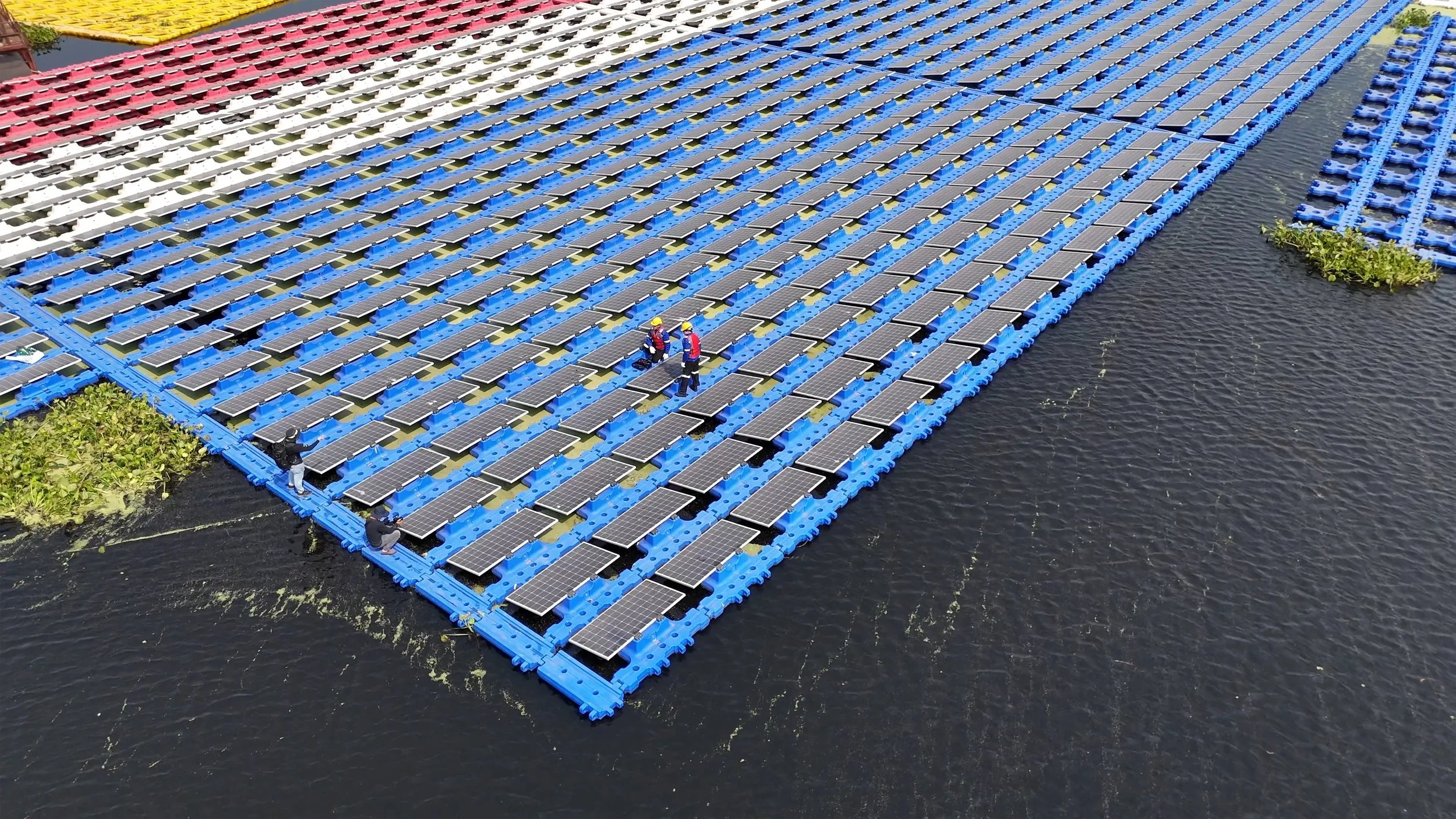
Managing Heat-Related Ground Softening With Composite Mats
Summer heat can create difficult ground conditions on construction sites. While dry weather may seem ideal at first, high temperatures combined with moisture, irrigation, poor drainage, or repeated equipment traffic can weaken the surface over time. In some areas, heat can also affect asphalt, compacted fill, or previously disturbed soil, making access routes less predictable. Composite mats help stabilize these conditions by creating a reliable surface for equipment and crews.
Why Summer Ground Conditions Can Become Unstable
Hot weather does not always mean firm ground. Sites with clay, sandy fill, landscaped areas, or recently disturbed soil may lose strength as traffic increases. If the ground is watered by irrigation or hit by summer storms, the surface can soften quickly. Heavy equipment then creates ruts, depressions, and uneven paths that make movement slower and less safe.
Composite mats spread equipment loads across a wider area, helping reduce pressure on weakened surfaces. This makes them useful for summer projects where access routes need to remain stable through changing conditions.
Maintaining Equipment Mobility in High Heat
Trucks, cranes, lifts, and excavators need consistent support to move safely. On softened ground, tires can sink, tracked machines can dig in, and operators may struggle to maintain control. Equipment recovery can delay work and damage the site further.
Using heavy-duty composite ground protection mats helps crews maintain reliable access across vulnerable areas. These mats create a more predictable travel path and reduce the need for constant grading or route repairs.
Protecting Finished and Disturbed Surfaces
Summer projects often take place around active facilities, public areas, campuses, utility corridors, and landscaped properties. These areas may include finished turf, compacted soil, pavement edges, or shallow infrastructure that can be damaged by heavy traffic. Heat can make some surfaces more vulnerable to deformation, especially when equipment repeatedly follows the same path.
Composite mats act as a temporary protective layer. They help prevent rutting, reduce surface pressure, and keep equipment movement contained to designated routes. This is especially useful when crews must work near areas that need to remain functional or presentable during construction.
Reducing Delays After Summer Storms
Sudden summer storms can quickly change site conditions. A route that was dry in the morning may become soft and muddy by afternoon. If equipment must keep moving, unprotected access paths can fail quickly.
With mats already in place, crews have a better chance of maintaining productivity after weather changes. Stable surfaces help prevent vehicles from bogging down and reduce the amount of cleanup required after rain. For larger site planning, construction mats can support temporary roads, staging areas, and work pads that need to perform through summer weather swings.
Improving Safety for Workers and Operators
Heat-related ground softening can create hidden hazards. Uneven surfaces may cause equipment to tilt or shift. Workers may encounter soft spots, ruts, or muddy areas that increase slip and trip risks. Stable mat surfaces help reduce these issues by giving crews a more consistent platform.
Clear mat routes also support better site organization. Operators know where to travel, supervisors can manage traffic more easily, and crews can move through the site with fewer unexpected ground changes.
Planning Ahead for Summer Site Stability
Managing summer ground conditions requires planning before problems develop. Once access routes are rutted or equipment becomes stuck, crews may lose valuable time repairing the site instead of completing the work. Composite mats provide a proactive solution for stabilizing vulnerable areas and keeping equipment moving.
For projects exposed to heat, moisture, high traffic, or changing soil conditions, composite mats help protect the ground and support safer operations. With the right mat layout, contractors can reduce downtime, control surface damage, and maintain productivity throughout the summer season.
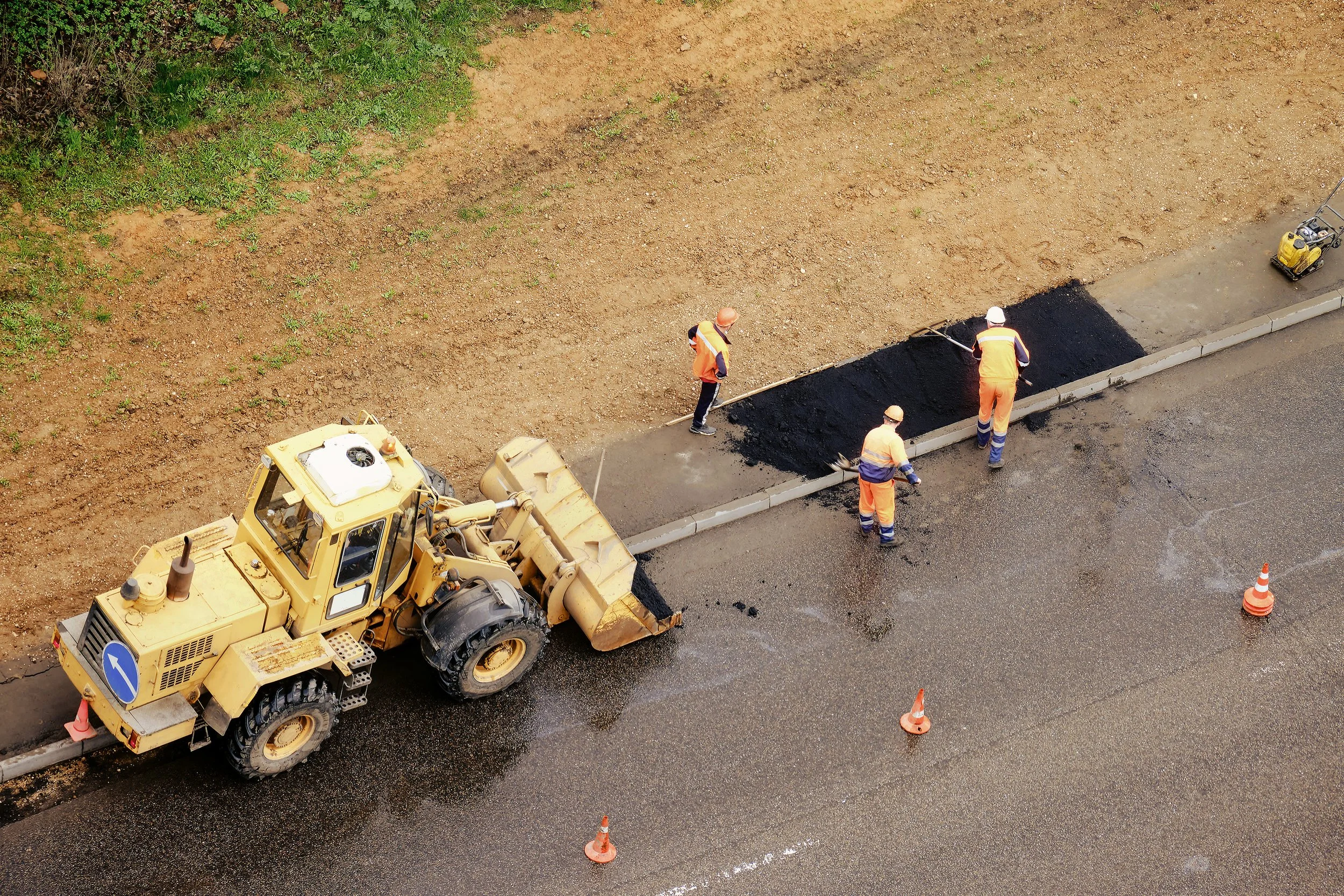
Construction Mats for Large-Scale Industrial Shutdowns and Maintenance
Industrial shutdowns and major maintenance projects depend on careful timing. Crews often have a limited window to complete repairs, inspections, equipment replacement, and facility upgrades before operations resume. During that window, access problems can quickly disrupt the schedule. Heavy equipment, service trucks, cranes, lifts, and material deliveries all need stable surfaces to keep work moving. Using construction mats helps create reliable temporary access and work areas during demanding industrial projects.
Supporting Heavy Equipment in Active Industrial Settings
Industrial sites are built for production, storage, and operations, but not every surface is designed to handle temporary construction loads. Maintenance crews may need to move cranes, forklifts, trucks, and lifts across gravel, pavement edges, landscaped areas, or soft ground near tanks, utilities, and processing equipment.
A planned mat system helps distribute equipment weight and reduce surface damage. Contractors often use heavy-duty construction mats to create stable access routes and work pads where equipment must operate safely during the shutdown period.
Creating Organized Access Routes
Shutdowns usually involve multiple crews working at once. Mechanical contractors, electricians, inspectors, welders, riggers, and transport teams may all need access to the same limited areas. Without defined routes, traffic can become congested and create unnecessary risks.
Construction mats help establish clear paths for vehicles, equipment, and materials. These routes reduce confusion, limit uncontrolled movement, and help crews work more efficiently in tight industrial environments. Stable access also supports emergency response and supervisor movement throughout the project.
Protecting Existing Facility Surfaces
Industrial facilities often contain valuable infrastructure above and below the surface. Buried utilities, concrete pads, drainage systems, tank farm areas, and paved access lanes can be affected by concentrated equipment loads. Surface damage during a shutdown may create additional repair work after the main maintenance tasks are complete.
Using composite mats for industrial site protection can help reduce direct pressure on vulnerable surfaces. Composite mats are especially useful where moisture resistance, repeated use, and cleaner handling are priorities. They provide a temporary barrier that helps protect the site while allowing crews to complete necessary work.
Improving Staging and Material Handling
Large shutdowns often require temporary staging areas for parts, tools, replacement equipment, waste containers, and mobile repair stations. If staging areas become muddy, uneven, or congested, crews lose time moving materials and repositioning equipment.
Construction mats create stable platforms for storage and handling. They help keep materials organized, improve forklift and truck movement, and reduce the risk of equipment settling into weak ground. This is important when every hour of a shutdown schedule matters.
Reducing Downtime From Poor Ground Conditions
Even when industrial sites have established roads, temporary maintenance work may push activity into areas that are not normally used for heavy traffic. Rain, drainage issues, or repeated load cycles can weaken these surfaces quickly. If access routes fail, crews may need to pause work for repairs, grading, or equipment recovery.
A mat system gives project teams a more dependable surface from the start. By planning access before mobilization, contractors can reduce downtime and avoid last-minute adjustments during the shutdown window.
Supporting Safety During High-Pressure Work
Industrial shutdowns are often fast-paced, with many workers, machines, and tasks occurring at the same time. Unstable ground increases the risk of slips, trips, equipment shifting, and traffic conflicts. Stable mat surfaces improve footing and create more predictable movement around active work areas.
Clear mat routes also help separate equipment travel from staging and pedestrian zones. This supports safer coordination between crews and reduces the likelihood of access-related incidents.
Planning Mat Systems Before Shutdown Begins
Successful shutdown work depends on preparation. Access routes, equipment loads, staging needs, and sensitive surfaces should be reviewed before crews arrive. Construction mats provide a flexible way to support temporary roads, crane pads, laydown areas, and work platforms without permanently altering the facility.
For large-scale industrial maintenance, the right mat plan can help protect surfaces, improve safety, and keep work moving on schedule. By integrating construction mats into shutdown planning, facility managers and contractors can reduce access problems before they affect critical operations.

Composite Mats for Solar and Renewable Energy Installations
Solar and renewable energy projects often cover large areas with changing ground conditions. Crews may need to move trucks, lifts, trenching equipment, pile drivers, and material carriers across fields, rural land, sandy soil, or environmentally sensitive areas. Without stable access, equipment can rut the ground, slow installation, and increase restoration work. Using composite mats gives project teams a practical way to create temporary access while protecting the site.
Supporting Access Across Large Project Areas
Renewable energy installations are rarely limited to one compact work zone. Solar farms, battery storage sites, and utility-scale energy projects often require crews to move across long rows, access roads, staging areas, and equipment pads. Each area may have different soil strength, drainage, and traffic demands.
Composite mats help create stable pathways for repeated equipment movement. By spreading loads across a wider surface, they reduce the risk of vehicles sinking into soft ground or damaging prepared areas. This helps crews move materials and equipment more efficiently without constantly repairing access routes.
Reducing Rutting and Soil Disturbance
Many renewable projects take place on agricultural land, open fields, or previously undeveloped sites. These surfaces can be vulnerable to rutting, especially after rain or during high-traffic installation phases. Once ruts form, they can collect water, disrupt drainage, and make later work more difficult.
A planned mat layout helps contain heavy traffic to defined routes. Crews can use reusable composite ground protection mats to reduce soil displacement while maintaining access to active installation areas. This is especially useful where the project owner expects the land to be restored after construction is complete.
Protecting Sensitive or High-Value Land
Renewable energy projects often come with environmental and land-use considerations. Crews may need to protect vegetation, drainage features, wetlands, or surrounding property. Uncontrolled equipment movement can create long-term impacts that lead to additional costs or compliance concerns.
Composite mats act as a temporary barrier between equipment and the ground. They help reduce compaction, limit surface damage, and make restoration easier once installation is complete. For projects where ground protection is a priority, construction mats can support safer movement while helping preserve the surrounding site.
Improving Staging and Material Handling
Solar panels, racking systems, wiring, batteries, and support equipment need clean and stable staging areas. If materials are stored on unstable ground, they may become difficult to access or vulnerable to mud and standing water. Poor staging conditions can slow crews and create unnecessary handling challenges.
Composite mats create firm work pads where materials can be delivered, organized, and moved into position. This helps keep the installation process more predictable, especially on large projects where delays in one area can affect the entire schedule.
Keeping Projects Moving Through Weather Changes
Weather can quickly change ground conditions on renewable energy sites. A short period of rain may soften access routes, while dry conditions can leave sandy or loose soils unstable under repeated traffic. Composite mats provide a consistent surface that helps crews maintain mobility through these changes.
Because the mats are reusable and can be repositioned as the project advances, they support flexible planning across multi-phase installations. Crews can move mat sections to new work zones while keeping critical access routes protected.
A Practical Access Strategy for Renewable Projects
Solar and renewable energy installations depend on efficient movement, organized staging, and responsible site protection. Composite mats help project teams achieve these goals by creating stable temporary surfaces without permanently altering the ground.
When access planning is handled early, crews can reduce downtime, protect sensitive areas, and complete work with fewer ground-related setbacks. For renewable energy projects that cover large or variable terrain, composite mats offer a reliable way to keep equipment moving while protecting the land beneath it.
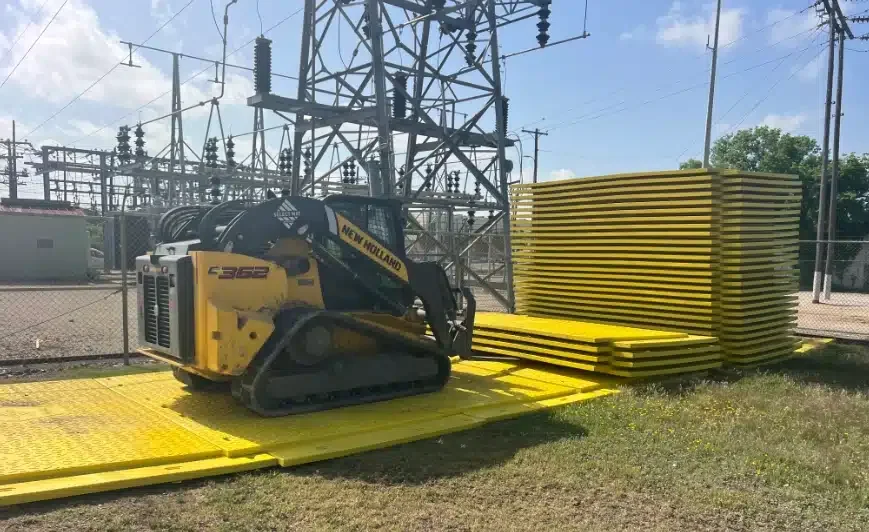
Selecting the Right Construction Mat Thickness for Heavy Loads
Heavy construction equipment places intense pressure on the ground. Cranes, excavators, loaded trucks, drilling rigs, and material carriers all require stable support to operate safely. While mat material is important, thickness plays a major role in how well a construction mat distributes weight, resists deflection, and protects the surface below. Choosing the wrong thickness can lead to rutting, uneven support, equipment instability, and costly site repairs. For heavy-load applications, mat thickness should be planned around the equipment, soil conditions, and expected traffic patterns.
Why mat thickness matters
Construction mats work by spreading equipment loads across a wider area. Thicker mats generally provide greater stiffness and load distribution, which helps reduce pressure on weak or uneven ground. This is especially important when equipment creates concentrated loads, such as crane outriggers, tracked machines, or fully loaded haul trucks.
Contractors often rely on heavy-duty construction mats for load support when working on soft soils, wet ground, or high-traffic access routes. The right thickness helps maintain a stable surface and reduces the risk of equipment sinking or shifting during operation.
Matching thickness to equipment demands
Different machines create different loading conditions. A light service truck may not require the same mat profile as a crawler crane or loaded concrete truck. Project teams should consider both the total equipment weight and how that weight is transferred to the ground.
Important factors include:
Machine weight and axle loads
Tire, track, or outrigger contact area
Frequency of equipment movement
Turning, lifting, or stationary loading demands
Expected soil strength below the mat
For demanding projects, construction mat systems for heavy equipment access should be selected based on the heaviest expected loads, not the average daily traffic.
Considering soil and site conditions
Mat thickness cannot be chosen in isolation. A mat that performs well on firm, compacted ground may not be sufficient on saturated clay, peat, sand, or recently disturbed soil. Weak ground requires more careful load distribution because the subgrade can deform quickly under pressure.
In these conditions, thicker mats or layered mat systems may be needed to create a more reliable working platform. Contractors may also incorporate composite mats for soft ground protection where moisture resistance, reusability, and consistent surface performance are priorities.
Balancing strength, handling, and logistics
Thicker mats can improve support, but they may also affect transport, installation, and handling requirements. Larger or heavier mats may require additional equipment to place and reposition. This can influence project cost, staging space, and mobilization schedules.
The goal is not always to choose the thickest mat available. Instead, the mat should be strong enough for the job while remaining practical to move, install, and reuse. A well-planned layout using durable construction mat solutions helps crews balance load support with efficient field operations.
Planning for high-traffic routes and work pads
Access roads and work pads experience different types of stress. Temporary roads may need to withstand repeated truck movement, turning, and weather exposure. Work pads may need to support stationary equipment, cranes, or staging loads for longer periods. Each application may require a different mat thickness or configuration.
For example, a haul route across soft ground may need continuous mat coverage to prevent rutting, while a crane setup may require thicker support under concentrated lift points. Using engineered construction mat systems allows project teams to match the mat plan to each area’s specific function.
Reducing restoration and downtime risks
When mats are undersized or too thin for heavy-load conditions, ground damage can develop quickly. Ruts, settlement, and surface failure may force crews to stop work, repair access routes, or recover stuck equipment. These delays can be expensive and may also increase restoration requirements after demobilization.
Selecting the proper thickness from the beginning helps preserve the site and maintain safer, more predictable operations. It also reduces the likelihood of last-minute changes once equipment is already on site.
A practical approach to mat selection
Choosing the right construction mat thickness requires a clear understanding of load demands, soil behavior, traffic volume, and project duration. Heavy loads need stable support, but the most effective solution is one that fits both the equipment and the site conditions.
For projects involving cranes, haul trucks, utility equipment, or large-scale staging areas, working with a provider of professional construction mat solutions for heavy-load projects can help ensure the mat system is properly matched to the job. With the right thickness and layout, construction mats support safer movement, better productivity, and reduced ground damage across demanding work environments.
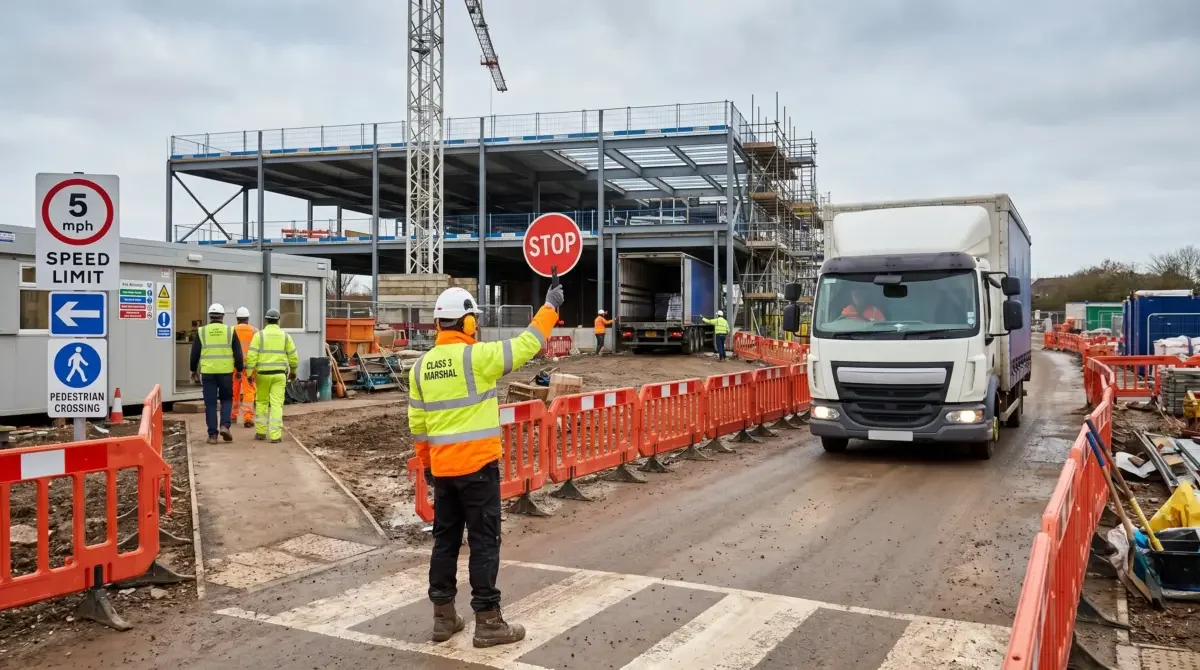
Maintaining Stable Staging Areas During High-Traffic Construction Phases
Staging areas are central to keeping construction projects organized. Crews use them for equipment parking, material storage, deliveries, repairs, inspections, and daily coordination. During high-traffic phases, these areas experience repeated movement from trucks, forklifts, cranes, excavators, and support vehicles. Without proper ground protection, the surface can quickly break down, creating ruts, mud, uneven grades, and unsafe working conditions. Composite mats provide a practical way to keep staging areas stable, clean, and productive throughout demanding project phases.
Why staging areas break down under repeated use
A staging area may look stable at the beginning of a project, but repeated load cycles can weaken the surface. Trucks delivering materials may follow the same paths every day. Forklifts may turn sharply in tight areas. Heavy equipment may sit in one place for long periods before moving again. Over time, this traffic can compact soil, push material out of place, and create soft spots that interfere with daily operations.
Contractors often use composite mats for construction staging areas to create a reinforced surface that can handle repeated equipment movement. By spreading loads across a wider area, mats help reduce rutting and keep the staging zone more consistent.
Supporting material storage and handling
Material staging requires a clean, level, and accessible surface. If materials are stored on unstable ground, they may settle unevenly, become difficult to move, or be exposed to mud and standing water. This can slow down crews and increase the risk of damaged materials.
Composite mats create a firm platform for storing pipe, panels, tools, fuel tanks, temporary structures, or repair equipment. Using heavy-duty composite ground protection mats helps crews maintain better organization and reduces the amount of time spent recovering materials from poor ground conditions.
Improving traffic flow during busy project phases
High-traffic phases often bring more congestion to the job site. Delivery trucks, equipment operators, supervisors, and subcontractors may all need access to the staging area at the same time. If the ground becomes unstable, vehicles may start taking alternate paths, which can expand damage and create confusion.
A planned mat layout helps define traffic patterns and keep movement predictable. Contractors often install temporary composite access mats to create clear routes for entering, loading, unloading, and exiting the staging area. This supports safer movement and helps reduce unnecessary delays.
Reducing equipment strain and recovery costs
Soft or uneven staging areas can increase wear on equipment. Trucks may struggle to move through mud, forklifts may lose traction, and tracked equipment may create deep surface damage during turns. When machines get stuck or require assistance, work slows and additional equipment may be needed for recovery.
Composite mats provide a stable surface that helps equipment operate more efficiently. Crews often rely on reusable composite site mats during high-use phases because the mats can maintain consistent performance through repeated traffic and changing weather conditions.
Protecting the site during weather changes
Rain, irrigation, and seasonal moisture can quickly affect staging areas, especially when the surface has already been disturbed by heavy use. Once water collects in ruts or low spots, the area can deteriorate even faster. Composite mats help limit surface breakdown by reducing direct contact between equipment and the ground.
A stable mat system also helps keep materials cleaner and reduces mud tracking into work zones, public roads, or finished areas. This supports better site housekeeping and can reduce cleanup needs during active construction.
Planning staging areas for long-term performance
A staging area should be planned with the same care as access roads and work pads. Project teams need to consider equipment weight, traffic volume, delivery schedules, soil conditions, and how long the area will remain active. Composite mats give crews a flexible way to build dependable staging zones without permanently altering the site.
For projects with busy delivery schedules, large material volumes, or repeated equipment movement, construction mats solutions for high-traffic work zones can help maintain stability from mobilization through closeout. With the right ground protection plan, staging areas can support productivity instead of becoming a source of delays, damage, and safety concerns.
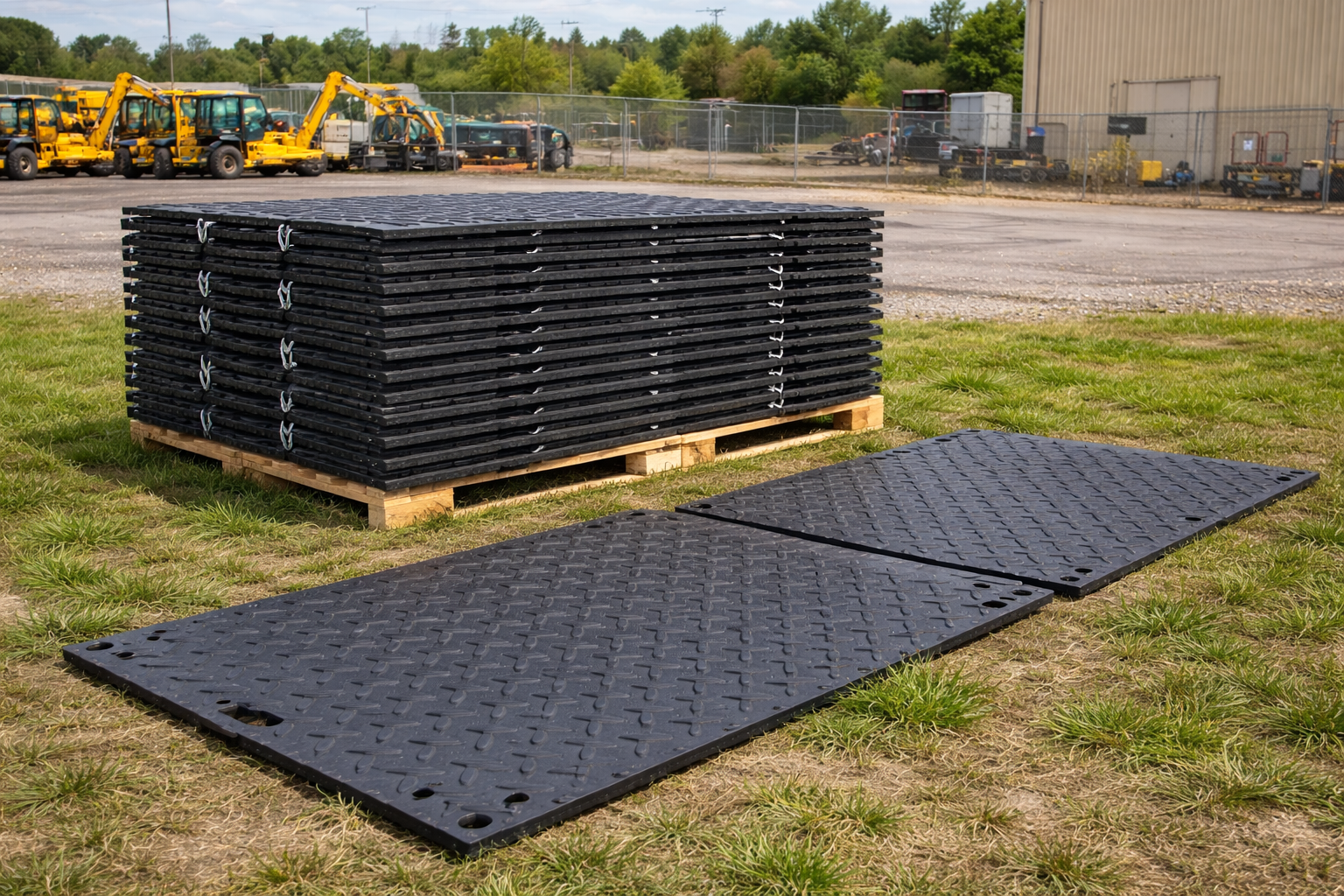
Temporary Work Pads for Summer Utility Projects
Summer utility projects often move quickly, but ground conditions can still create serious challenges. Dry weather may make a site look stable at first, yet repeated traffic from trucks, lifts, excavators, and material carriers can break down the surface over time. In other areas, summer storms can soften the ground within hours and turn a reliable work zone into a muddy or uneven surface. Temporary work pads built with composite mats give utility crews a dependable platform for equipment, materials, and safe movement throughout the project.
Why utility projects need stable work pads
Utility work often takes place in narrow corridors, roadside areas, easements, fields, campuses, or developed properties. These locations are not always designed to support heavy construction activity. Crews may need space for bucket trucks, trenching equipment, pipe sections, cable reels, transformers, or repair materials. Without a stable surface, equipment can settle, materials can shift, and crews may lose time correcting access problems.
Contractors often use composite mats for temporary work pads to create firm, predictable areas where utility tasks can be completed safely. These mats spread loads across a wider surface and help prevent the ground from rutting or collapsing under repeated use.
Supporting equipment positioning and movement
Utility equipment frequently needs to be positioned with precision. Bucket trucks, cranes, digger derricks, and excavators all perform better when they are placed on a level and stable surface. Soft ground can cause uneven support, making setup slower and increasing the risk of shifting during operation.
By installing heavy-duty composite ground protection mats, crews can create work pads that support both stationary equipment and repeated vehicle movement. This helps operators maintain control while also reducing the need for constant repositioning or surface repairs.
Protecting finished and sensitive surfaces
Many summer utility projects take place near finished landscapes, sidewalks, parking lots, public roads, or agricultural land. These areas can be damaged quickly if equipment travels directly over the surface. Turf can rut, pavement can crack, and shallow infrastructure may be affected by concentrated loads.
Composite mats act as a temporary protective layer between equipment and the ground. Using temporary composite access mats helps crews reach the work area while limiting damage to surrounding surfaces. This is especially valuable when utilities must be repaired or upgraded without creating unnecessary restoration work.
Keeping projects moving after summer storms
Summer weather can change quickly. A short but heavy storm can saturate exposed soil, weaken access routes, and interrupt work. If a work pad is already in place, crews are better prepared to continue operating once conditions are safe. Composite mats resist moisture and maintain a consistent working surface, even when underlying soils become soft.
For utility projects with tight schedules, reusable composite site mats can help reduce downtime caused by unstable ground. Mats can also be relocated as the project moves from one pole, trench, vault, or service area to the next.
Improving safety for crews and inspectors
Utility work often involves crews moving around equipment, open trenches, materials, and active service areas. Uneven or muddy ground increases slip and trip risks, especially when workers are carrying tools or managing lines and components. A stable work pad gives crews better footing and helps organize movement around the job site.
Defined mat surfaces also improve access for inspectors, supervisors, and emergency personnel. Instead of navigating soft or uneven terrain, teams can move through the site on clear, stable paths.
Planning effective work pads before mobilization
A temporary work pad should be planned around equipment loads, soil conditions, work duration, and the amount of space crews need to operate safely. Composite mats give utility contractors a flexible option that can be installed, removed, and redeployed as project needs change.
For summer utility work involving heavy equipment, roadside access, sensitive ground, or finished properties, construction mat solutions for utility projects can help maintain productivity while protecting the site. With the right mat layout, crews gain a safer and more reliable platform for completing critical infrastructure work.
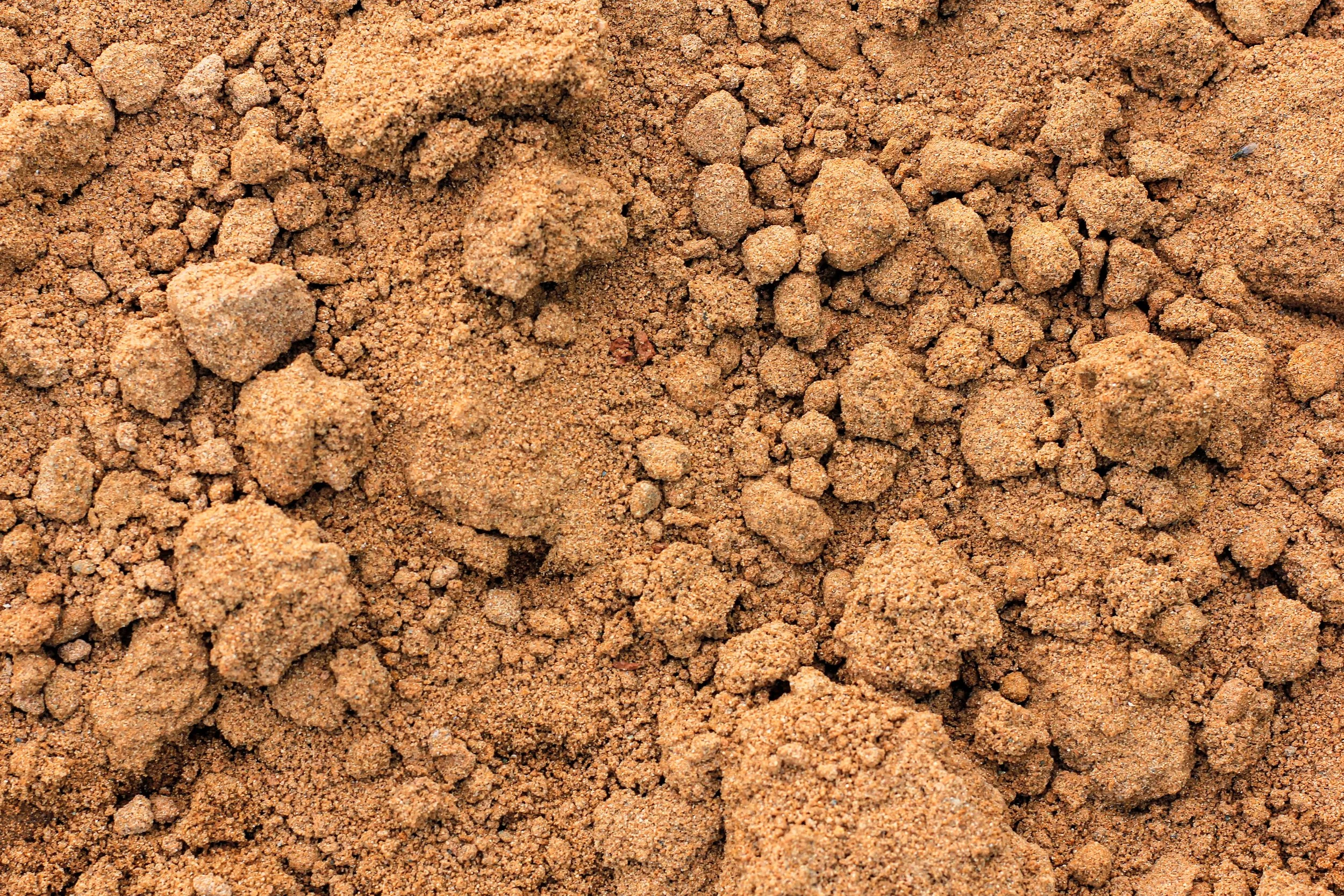
How Composite Mats Improve Equipment Mobility on Sandy Soils
Sandy soils create a unique challenge for construction crews. While they may drain faster than clay or saturated ground, they often lack the cohesion needed to support repeated heavy equipment movement. Trucks, cranes, excavators, and material carriers can lose traction, sink into loose surfaces, or create uneven travel paths that slow the entire project. Composite mats provide a stable, reusable surface that helps equipment move safely and efficiently across sandy terrain.
Why sandy soils are difficult to work on
Sand shifts easily under pressure. When heavy equipment travels across loose ground, tires and tracks can displace material instead of gripping a firm surface. This can lead to wheel spin, rutting, uneven grades, and increased strain on equipment. In coastal areas, desert environments, utility corridors, or sites with sandy fill, these problems can appear quickly once traffic volume increases.
Contractors often use composite mats for sandy soil access to create a reinforced surface that spreads equipment weight and reduces ground displacement. Instead of allowing machinery to dig into loose material, mats provide a predictable path for movement.
Improving traction for heavy equipment
Traction is one of the biggest concerns on sandy ground. Loose surfaces can make it difficult for trucks and tracked machines to accelerate, turn, or stop with control. Composite mats are designed with stable surfaces that help equipment maintain better contact during movement.
By installing heavy-duty composite ground protection mats, crews can reduce the amount of slipping and digging that occurs during repeated passes. This improves operator control and lowers the risk of equipment becoming stuck or drifting off planned access routes.
Reducing rutting and surface breakdown
Sandy soils can break down quickly under repeated construction traffic. Once ruts form, they can guide water, trap equipment, and make the route harder to use. Repairing those surfaces often requires grading, compaction, or bringing in additional material, all of which can slow the schedule.
Composite mats help prevent this cycle by distributing loads across a wider area. Using temporary composite access mats allows project teams to maintain stable routes without constantly rebuilding haul roads or work paths. This is especially useful on projects where access must be maintained for several weeks or months.
Supporting staging and material movement
Sandy sites are not only difficult for travel routes. They can also create problems in staging areas, laydown yards, and work pads. Materials may settle unevenly, forklifts may struggle to maneuver, and cranes or lifts may need more predictable support before work can begin.
Composite mats create firm working platforms for material handling and equipment positioning. Contractors often rely on reusable composite site mats to support staging areas where surface consistency is important for productivity and safety.
Protecting surrounding areas from disturbance
Loose sandy ground can spread easily beyond the work area. Equipment traffic may push material into nearby roads, drainage structures, landscaped areas, or sensitive habitats. Defined mat routes help contain movement and reduce unnecessary disturbance across the broader site.
By keeping traffic on controlled paths, composite mats can also simplify cleanup and restoration after the project is complete. This helps preserve surrounding surfaces and reduces the amount of corrective work needed during demobilization.
Planning access before mobility problems start
Equipment mobility on sandy soils should be addressed before the first heavy machines arrive. Once routes become deeply rutted or unstable, recovery and repair work can interrupt the schedule and increase site damage. Composite mats give crews a more dependable access plan from the beginning.
For projects in coastal regions, sandy utility corridors, renewable energy sites, or areas with loose fill, construction mat solutions for challenging ground conditions can help stabilize movement and protect the site. With the right mat layout in place, crews can maintain safer access, reduce delays, and keep equipment performing efficiently across difficult sandy terrain.
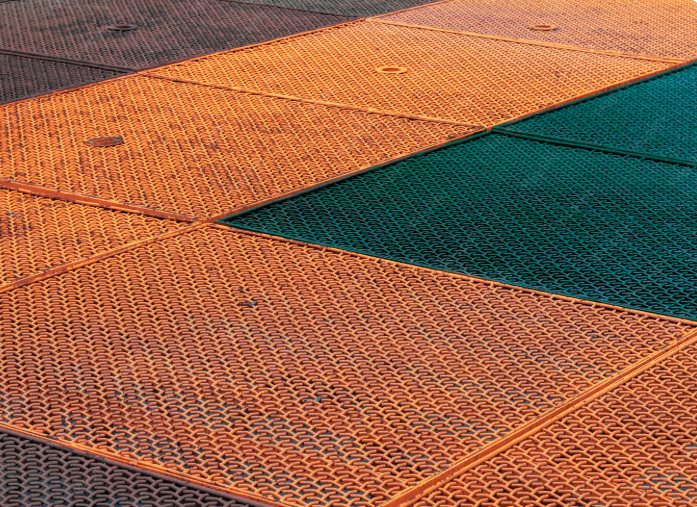
Construction Mats for Infrastructure Projects in Urban Environments
Urban infrastructure projects often require heavy equipment to operate in tight, developed, and highly visible areas. Crews may need to repair utilities, upgrade roads, improve drainage systems, or complete public works near sidewalks, buildings, parking lots, and active traffic. In these settings, ground protection is not only about supporting equipment. It is also about protecting existing surfaces, maintaining public access, and reducing disruption. A well-planned construction mat system helps contractors work efficiently while limiting damage to surrounding infrastructure.
Protecting Existing Pavement and Finished Surfaces
Urban projects rarely begin on open ground. Equipment may need to cross asphalt, concrete, brick pavers, landscaped medians, or finished pedestrian areas. These surfaces are not always designed to support concentrated construction loads. Without protection, heavy vehicles can crack pavement, damage curbs, or leave depressions in finished surfaces.
Contractors often use construction mats for urban infrastructure work to spread equipment weight and protect surfaces from direct contact. This helps reduce repair costs and keeps the project area safer for crews, inspectors, and the public.
Creating Stable Access in Tight Work Zones
Urban sites usually have limited room for equipment movement. Narrow streets, utility easements, alleys, and public right-of-way areas can make it difficult to establish safe travel paths. If access routes are not clearly defined, equipment may damage nearby landscaping, utilities, or pedestrian areas.
A temporary mat system creates organized routes for machinery, trucks, and material handling. Using temporary construction access mats helps crews move through restricted spaces without constantly reworking the ground or risking damage to surrounding property.
Supporting Utility and Public Works Projects
Utility repairs and infrastructure upgrades often require crews to work around underground assets. Water lines, gas lines, electrical systems, telecommunications infrastructure, and storm drains may all exist below or near the work area. Heavy equipment can place stress on these systems if loads are not properly distributed.
Construction mats help reduce concentrated pressure over vulnerable areas. In some cases, contractors may also incorporate composite mats for ground protection where moisture resistance, lighter handling, and repeated use are priorities. This can be especially useful for projects that move from one utility location to another over several weeks or months.
Reducing Mud, Debris, and Public Disruption
Even in urban environments, construction work can create mud, dust, and debris. Excavation zones, landscaped areas, and exposed soil near roadwork can quickly spread material onto streets or sidewalks. This creates cleanup demands and can affect public safety.
Stable mat surfaces help contain traffic to planned routes and reduce the amount of material tracked beyond the work area. Crews can maintain cleaner access points, protect adjacent properties, and reduce complaints from businesses, residents, and pedestrians.
Improving Safety Around Active Public Areas
Urban infrastructure work often occurs near people who are not part of the construction team. Drivers, pedestrians, cyclists, and nearby property occupants may all be close to the work zone. This makes stable surfaces and predictable equipment movement especially important.
A clear mat layout can help separate equipment activity from public access areas. Using heavy-duty construction mat systems supports safer traffic flow, improves footing for crews, and reduces the chance of equipment shifting on unstable or uneven ground.
Simplifying Restoration After the Work Is Complete
Restoration is a major concern on urban projects because damaged surfaces are highly visible and often expensive to repair. Broken sidewalks, cracked pavement, compacted landscaping, or damaged curbs can extend project timelines and create additional costs after the main work is finished.
Construction mats help limit those impacts by shielding existing surfaces during active work. Once the project is complete, the mats can be removed cleanly, leaving the area closer to its original condition. This supports faster closeout and helps maintain a professional appearance in public spaces.
A Practical Access Strategy for Urban Projects
Urban infrastructure work requires careful planning because space is limited, surfaces are valuable, and public disruption must be controlled. Construction mats give contractors a practical way to protect existing conditions while maintaining the access needed for heavy equipment and crews.
By using the right mat layout from the beginning, project teams can reduce damage, improve safety, and keep infrastructure work moving in complex urban environments. For public works, utility repairs, and city construction projects, reliable mat systems are an important part of responsible site planning.
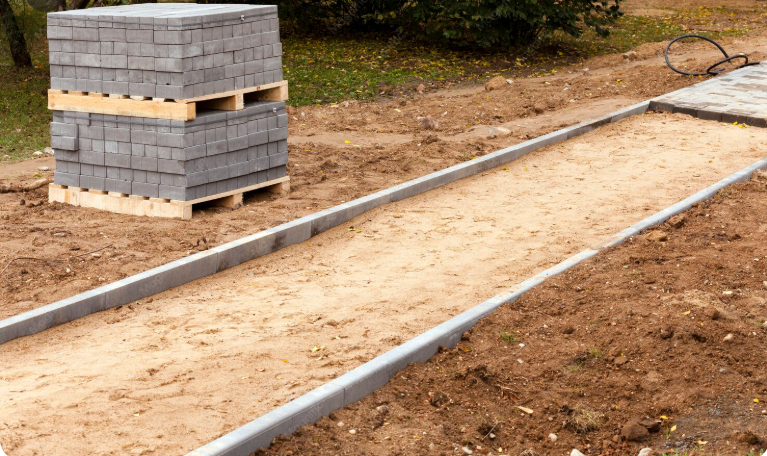
Reducing Soil Compaction During Heavy Equipment Operations
Heavy equipment can place significant pressure on the ground, especially when trucks, cranes, excavators, and material carriers move repeatedly across the same routes. On soft, wet, or recently disturbed soils, that pressure can compress the soil structure, reduce drainage capacity, and make restoration more difficult after the project ends. Soil compaction is often treated as a secondary issue, but it can affect safety, productivity, environmental compliance, and long-term site recovery. Composite mats help reduce these risks by spreading equipment loads and creating stable surfaces for construction activity.
Why soil compaction matters on construction sites
Soil contains air pockets and pore spaces that allow water to drain and roots to grow. When heavy equipment compresses these spaces, the ground becomes denser and less able to absorb water. This can lead to standing water, erosion, poor vegetation recovery, and unstable surface conditions.
Compacted soil can also create problems during later project phases. Areas that need to be graded, planted, paved, or restored may require additional remediation before they can perform as intended. Contractors often use composite mats for ground protection to limit direct equipment pressure and preserve the underlying soil structure.
Spreading heavy loads across a wider surface
The main advantage of composite mats is their ability to distribute weight over a broader area. Instead of allowing tires or tracks to concentrate pressure into the soil, mats create a reinforced surface that reduces the impact of each equipment pass. This is especially important on clay, silt, peat, or saturated soils that deform easily under load.
By installing heavy-duty composite access mats, crews can move equipment across vulnerable ground while reducing rutting and deep compaction. Stable mat routes also help operators maintain better control, which improves both safety and efficiency.
Protecting drainage and surface stability
Compaction changes how water moves through a site. When soil becomes dense and sealed, water is more likely to run across the surface rather than soak into the ground. This can increase erosion, create muddy work zones, and interfere with stormwater controls.
Composite mats help maintain more consistent surface conditions by limiting rut formation and soil displacement. Using temporary composite matting systems allows project teams to keep access routes stable while reducing the chance that heavy traffic will redirect drainage or create persistent wet spots.
Reducing restoration work after construction
Restoring compacted soil can be time-consuming and expensive. Depending on the site, contractors may need to decompact soil, regrade damaged areas, replace topsoil, reseed vegetation, or repair drainage features. These tasks can extend project closeout and increase costs that were not fully visible during active construction.
A planned mat layout helps contain equipment movement to designated corridors and work pads. This keeps disturbance more controlled and leaves more of the site closer to its original condition. Many contractors rely on reusable composite ground protection mats to reduce restoration demands across repeated projects.
Supporting sensitive and high-value areas
Soil compaction is a particular concern near wetlands, landscaped properties, agricultural fields, parks, and utility corridors. In these settings, long-term ground damage can create environmental concerns or disputes with property owners. Composite mats provide a temporary barrier that allows crews to access the work area while limiting direct contact with sensitive soils.
For projects where land restoration matters, construction mat solutions for site protection can help crews balance operational access with responsible ground management. This approach is especially useful when equipment must cross areas that were not designed to support heavy construction traffic.
Planning for lower impact operations
Reducing soil compaction starts with understanding where equipment will travel, which areas are most vulnerable, and how long access will be needed. Composite mats give project teams a practical way to stabilize routes, protect soil structure, and keep heavy equipment moving safely.
When soil protection is built into the access plan from the beginning, contractors can avoid many of the costs and delays that come from damaged ground. Composite mats support safer operations, cleaner restoration, and more predictable performance across demanding job site conditions.

Composite Mats as a Solution for Remote Job Site Access
Remote job sites often create access problems before work even begins. Crews may need to move equipment across undeveloped land, soft soils, wetlands, utility corridors, or areas with limited road infrastructure. When permanent roads are unavailable, every delivery, equipment movement, and inspection depends on whether the ground can support the work. Composite mats provide a practical way to create temporary access routes that protect the site while keeping remote projects moving.
Creating Reliable Access Where Roads Do Not Exist
Remote projects often require equipment to travel across ground that was never designed for heavy loads. Trucks, cranes, excavators, and material carriers can quickly sink into soft or uneven terrain. Once this happens, crews may lose time recovering equipment, repairing access paths, or rerouting around damaged areas.
Contractors often use composite access mats for remote job sites to create stable temporary roads and work platforms. These mats spread equipment loads across a wider surface area, reducing rutting and helping vehicles move across difficult ground with greater control.
Supporting Work Across Changing Soil Conditions
Remote sites rarely have uniform ground conditions. A single access route may cross sandy soils, clay, low spots, wooded areas, or wetland edges. Each condition responds differently under heavy traffic. Without proper ground protection, stable sections can quickly transition into problem areas as weather changes or equipment cycles increase.
Composite mats provide a consistent surface across these variable conditions. Using temporary composite mats for heavy equipment access allows crews to maintain predictable movement from staging areas to active work zones. This is especially useful on utility, pipeline, renewable energy, and infrastructure projects that cover long distances.
Reducing Equipment Recovery and Downtime
When equipment becomes stuck on a remote site, recovery is rarely simple. Additional machines may need to be brought in, work may stop in nearby areas, and the damaged ground may require immediate repair before operations can resume. These delays can be costly when crews are far from established roads or support facilities.
Composite mats reduce this risk by improving traction and limiting soil displacement. Stable mat surfaces help equipment maintain forward movement, even where the underlying ground is soft, wet, or recently disturbed. For projects with limited access points, durable composite ground protection mats can help prevent one failed route from disrupting the entire schedule.
Protecting Sensitive or Undeveloped Land
Many remote projects take place in areas where environmental impact must be carefully controlled. Unprotected equipment traffic can damage vegetation, compact soil, disturb drainage patterns, and increase sediment movement. These impacts may create restoration challenges or compliance concerns once construction is complete.
Composite mats act as a protective layer between equipment and the ground. They help define traffic routes, minimize unnecessary disturbance, and make it easier to remove temporary access once work is finished. This approach supports both productivity and responsible site management.
Improving Logistics for Multi-Phase Projects
Remote projects often happen in phases. Crews may need to shift access routes, relocate staging areas, or move mats as work advances. Composite mats are well suited for this type of work because they are reusable and can be repositioned as project needs change.
A planned mat layout helps crews coordinate deliveries, equipment movement, and material staging without constantly rebuilding temporary roads. Contractors often rely on construction mat solutions for remote access planning to keep logistics organized across large or hard-to-reach sites.
Planning Remote Access Before Problems Develop
Successful remote work starts with a clear access strategy. Waiting until equipment gets stuck or routes fail can lead to avoidable delays and site damage. Composite mats give project teams a dependable way to stabilize travel paths, protect the ground, and maintain operations in areas where permanent infrastructure is limited.
For remote projects involving heavy equipment, variable soils, or sensitive terrain, composite mats provide a flexible and reliable access solution. With the right mat plan in place, contractors can reach the work area safely, keep crews productive, and reduce the long-term impact of temporary construction activity.
Protecting Landscaped Areas During Construction With Composite Mats
Landscaped areas are often more fragile than they appear. Turf, sidewalks, planting beds, irrigation systems, and finished surfaces can be damaged quickly when heavy equipment moves through a site. Even short-term access for utility work, building repairs, or equipment staging can leave behind ruts, compacted soil, broken pavement, and costly restoration needs. When crews must work near finished properties, composite mats provide a practical way to protect the landscape while maintaining reliable access.
Why Finished Sites Need Ground Protection
Construction work does not always happen on open, undeveloped ground. Many projects take place around campuses, parks, commercial properties, residential communities, and municipal facilities where surfaces are already established. These areas may include maintained lawns, ornamental landscaping, pedestrian walkways, or underground irrigation lines.
Without protection, equipment traffic can crush root systems, compact soil, and create uneven ground that is difficult to restore. Contractors often use composite mats for landscape protection to create a temporary barrier between heavy machinery and sensitive surfaces. This helps keep the work area functional while reducing the risk of permanent damage.
Maintaining Access Without Creating Ruts
Soft turf and planted areas are especially vulnerable after rain or irrigation. Trucks, lifts, and excavators can sink quickly, forming deep tire marks that collect water and spread damage across the property. Once rutting begins, crews may have to stop work to repair access routes or reposition equipment.
Composite mats distribute equipment loads across a wider surface area, reducing direct pressure on the ground below. By installing temporary access mats for heavy equipment, project teams can maintain stable routes across lawns, parks, and landscaped areas without relying on improvised paths that may fail under load.
Protecting Irrigation, Utilities, and Hardscapes
Landscaped sites often contain hidden infrastructure. Irrigation lines, shallow utilities, drainage features, and landscape lighting can be damaged by repeated equipment traffic. Finished hardscapes such as sidewalks, driveways, and decorative paving may also crack or settle when exposed to concentrated loads.
Composite mats help spread weight and reduce the chance of localized damage. Using durable site protection panels gives crews a more predictable travel surface while protecting the features beneath and around the work zone. This is especially important when access must cross areas that were not designed for construction equipment.
Supporting Cleaner and Safer Work Areas
Damage to landscaped surfaces can create safety hazards. Uneven turf, muddy access paths, and broken walking areas increase the risk of slips, trips, and equipment instability. Composite mats provide a consistent surface with improved traction, helping crews move materials and equipment more safely.
Clean access routes also help limit mud tracking onto sidewalks, parking lots, and public roads. This improves site appearance, reduces cleanup demands, and helps property owners maintain normal operations while work is underway.
Reducing Restoration Costs After the Project
Restoration can become one of the most frustrating costs of construction on finished properties. Regrading, reseeding, replacing damaged plantings, and repairing hardscapes can add time and expense after the main work is complete. Preventing damage from the beginning is usually more efficient than repairing it later.
Composite mats are reusable and removable, allowing contractors to protect the site during construction and leave surfaces closer to their original condition after demobilization. A planned mat layout helps crews control where traffic occurs and limits unnecessary disturbance across the property.
Planning for Property-Sensitive Work
Protecting landscaped areas requires more than careful driving. It takes a clear access plan, proper ground protection, and an understanding of how equipment loads affect finished surfaces. Composite mats allow contractors to complete necessary work while respecting the surrounding property.For projects near parks, campuses, commercial landscapes, or residential developments, working with specialists in construction mat solutions for site protection can help ensure the right mat layout is selected before equipment arrives. With proper planning, crews can maintain access, reduce restoration work, and protect the value of finished landscapes.